

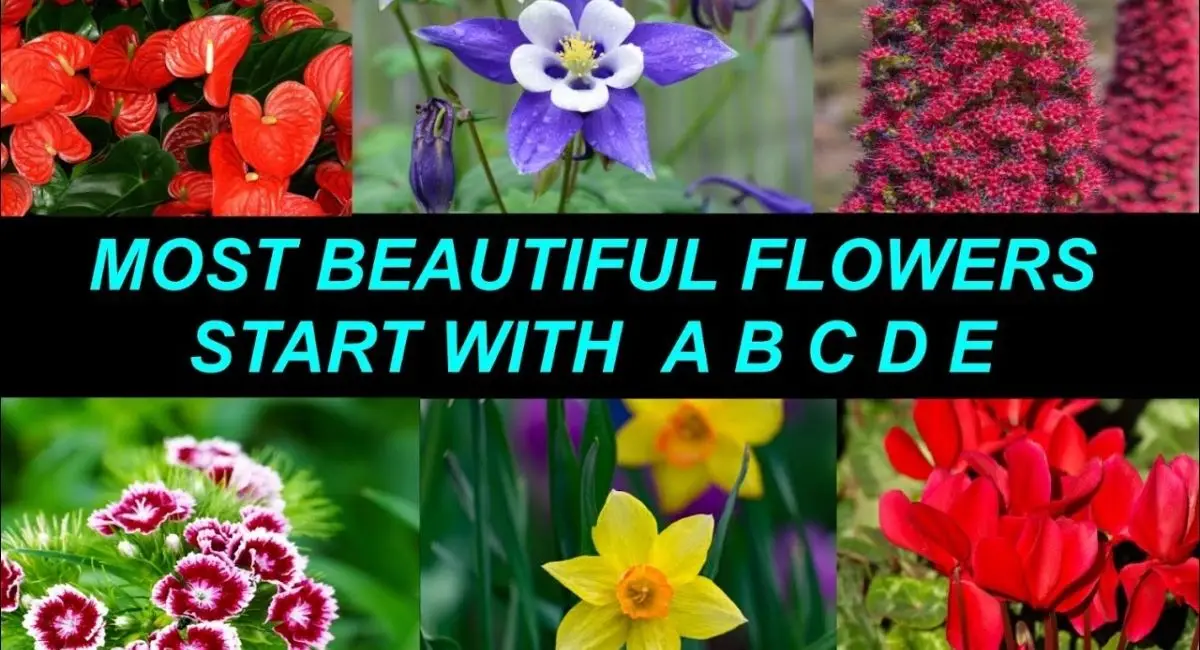
Flowers bring beauty, fragrance, and life to every landscape, making them one of the most loved plants around the world. Whether you are creating a colorful backyard, decorating your home, or planning a seasonal garden, knowing the different types of flowers can help you choose the perfect blooms.
In this guide, you’ll discover 25 popular types of flowers with their names, categories, and essential growing information. You’ll also learn about flowering plant species, their unique characteristics, and how they fit into different flower families. From vibrant garden flowers to elegant ornamental flowers, this easy-to-read guide will help beginners and experienced gardeners select the best flowers for every season and landscape.
What Are Flowers?
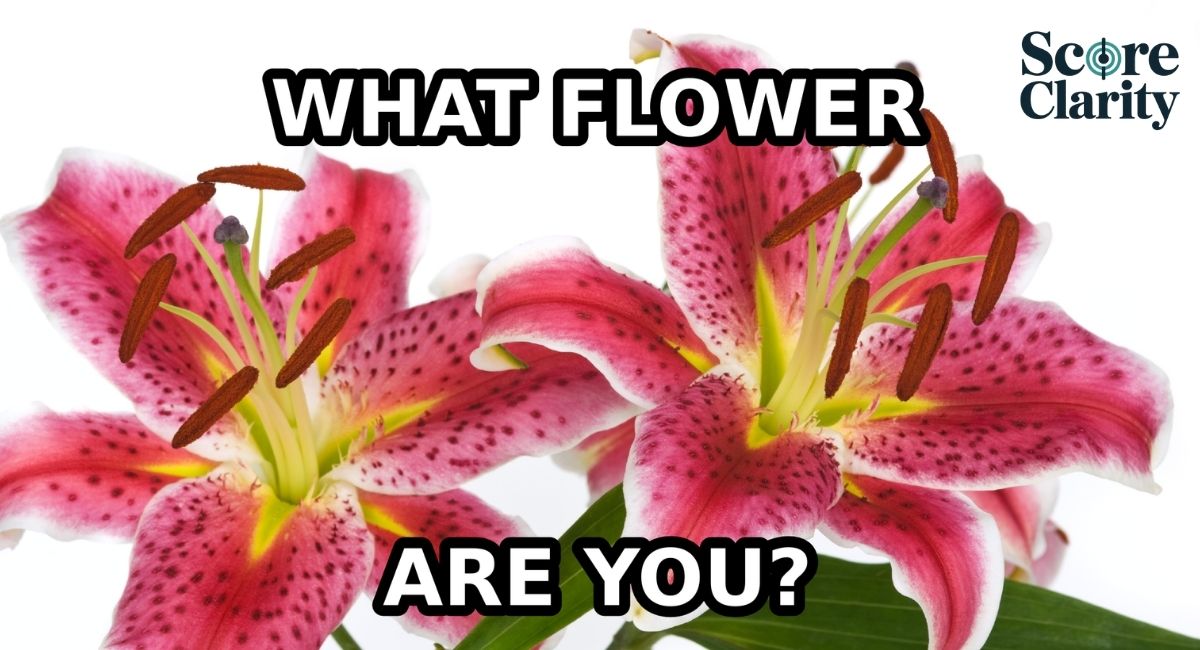
Flowers are the reproductive structures of flowering plants. Their main purpose is to produce seeds, allowing plants to reproduce and continue their species. While flowers are often admired for their beauty, they also perform one of the most important jobs in nature. They support pollination, attract insects and birds, and help produce many of the fruits and vegetables people eat every day.
Every flower belongs to a specific plant family and has its own scientific name. Botanists use these names to identify plants accurately around the world. Flowers differ in size, flower shape, color, fragrance, and blooming habits. Some are grown as ornamental flowers, while others are cultivated for food, medicine, or perfume production.
Flowers also play a major role in supporting wildlife. They provide nectar and pollen for bees and butterflies, hummingbirds, and many other pollinators. Without flowering plants, many ecosystems would struggle to survive because pollinators depend on flowers for food, while plants depend on pollinators to reproduce.
The basic structure of a flower is shown below.
| Flower Part | Purpose |
| Petals | Attract pollinators using bright colors and fragrance |
| Sepals | Protect the flower before it blooms |
| Stamen | Produces pollen |
| Pistil | Receives pollen and develops seeds |
| Stem | Supports the flower and transports nutrients |
Flowers have been part of human culture for thousands of years. Today they are used in weddings, celebrations, gardens, parks, religious ceremonies, perfumes, medicines, floral arrangements, and beautiful bouquets.
How Are Different Types of Flowers Classified?
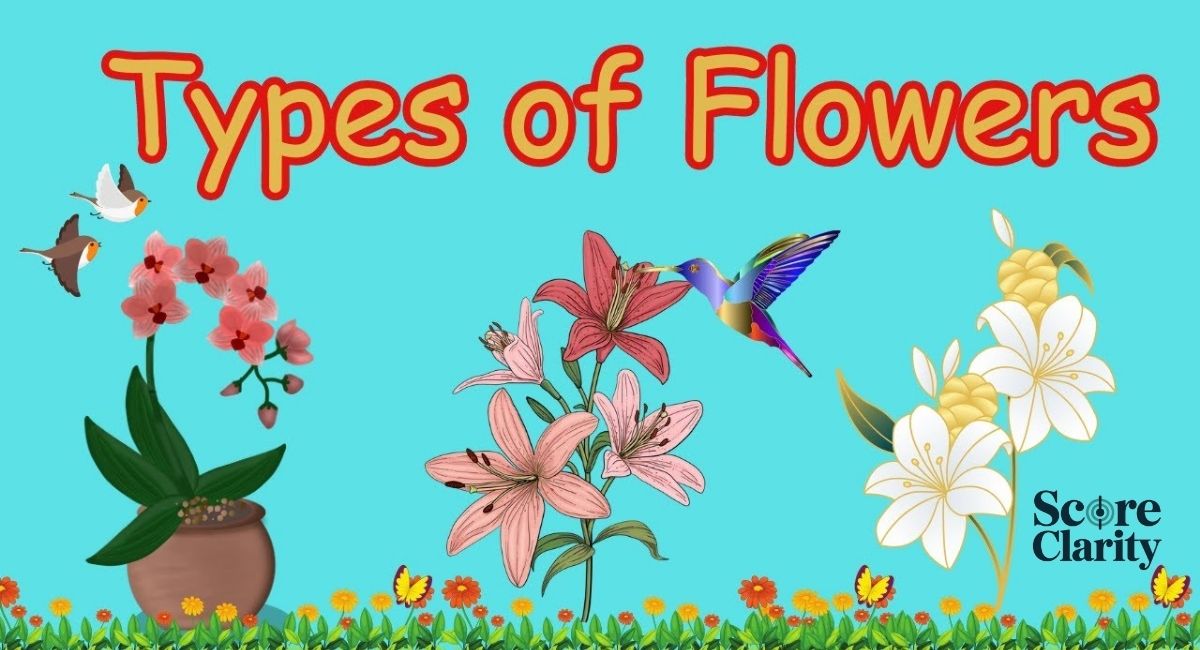
With hundreds of thousands of flower species growing around the world, scientists use flower classification to organize plants into groups with similar characteristics. Classification makes it easier to identify flowers, understand how they grow, and choose the right plants for different climates and landscapes.
One of the most common methods is classification based on the life cycle. Some flowers complete their entire life in one growing season, while others return year after year. Flowers are also grouped by their plant family, native habitat, flower shape, bloom season, and growing conditions.
Gardeners also consider practical characteristics before planting flowers. These include sunlight requirements, soil type, watering needs, hardiness zones, and overall plant care. Understanding these factors helps ensure healthy plants that bloom successfully throughout the year.
The table below shows the most common flower classifications.
| Classification | Description |
| Annual flowers | Complete their life cycle in one season. |
| Biennial flowers | Grow leaves in the first year and bloom in the second year. |
| Perennial flowers | Return and bloom for many years. |
| Flower families | Groups of related flowering plants with similar characteristics. |
| Seasonal flowers | Flowers that bloom during a specific season. |
| Native flowers | Naturally grow in a particular region. |
| Tropical flowers | Prefer warm climates throughout the year. |
Another useful way to classify flowers is by how they are used. Some flowers are ideal as garden flowers, while others perform better as cut flowers for indoor decoration. Certain plants grow as flowering shrubs, flowering trees, flowering vines, flowering bulbs, or even flowering herbs. Each group has different care requirements and serves different purposes in gardens and landscapes.
100+ Popular Types of Flowers (A–Z)
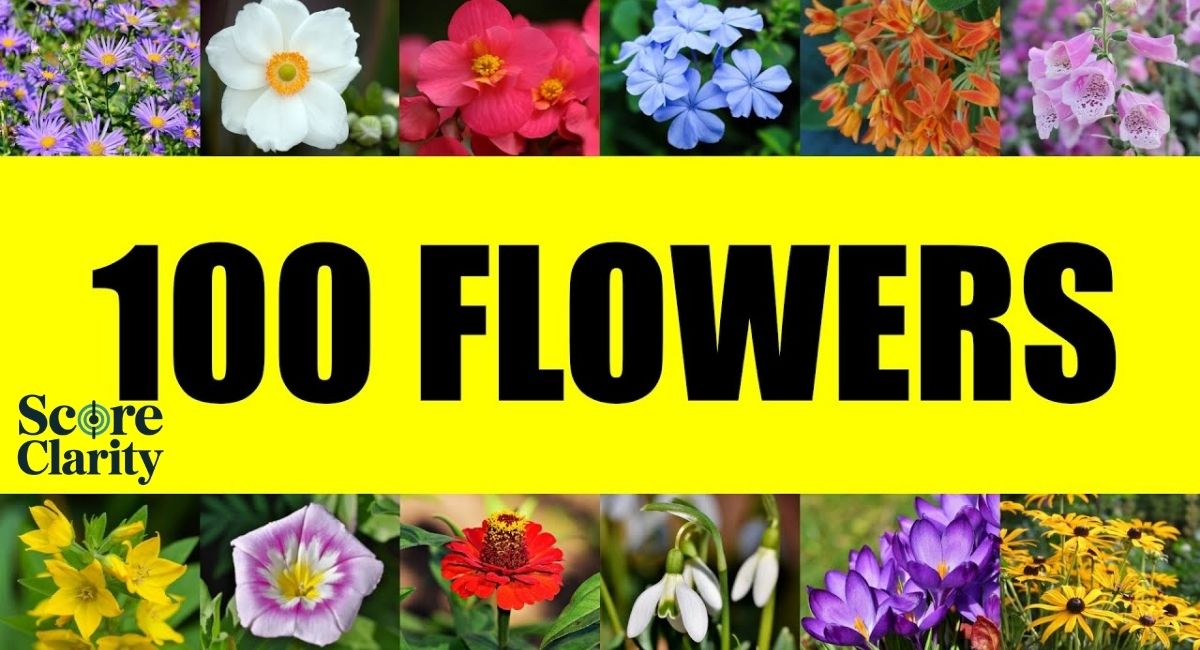
Flowers are available in countless colors, shapes, and sizes. Some are famous for their fragrance, while others are known for their long blooming season or ability to attract pollinators. The following flower varieties are among the most popular choices for gardens, landscapes, and floral decorations across the United States.
Rose
Scientific Name: Rosa
Plant Family: Rosaceae
The rose is one of the most recognized flowers in the world and has been cultivated for thousands of years. It symbolizes love, beauty, friendship, and celebration. Roses are available in climbing, shrub, miniature, and hybrid forms, making them suitable for many different landscapes.
Roses bloom from late spring until fall when properly maintained. They require fertile soil, full sunlight, and consistent watering. Regular pruning improves air circulation, encourages healthy growth, and increases flower production.
| Feature | Details |
| Bloom season | Spring to Fall |
| Flower colors | Red, Pink, White, Yellow, Orange |
| Hardiness zones | 4–10 |
| Growing conditions | Full sun and fertile soil |
Sunflower
Scientific Name: Helianthus annuus
Sunflowers are famous for their bright golden blooms and tall stems. Their large flower heads naturally follow the movement of the sun during the day, making them one of the most fascinating flowers to observe.
These cheerful flowers are excellent pollinator-friendly flowers because they attract bees and butterflies throughout summer. Their seeds provide food for birds, wildlife, and people. Sunflowers are also considered easy-to-grow flowers, making them ideal for beginners.
| Feature | Details |
| Bloom season | Summer |
| Height | 4–12 feet |
| Uses | Seeds, decoration, wildlife |
| Sunlight | Full Sun |
Tulip
Scientific Name: Tulipa
Tulips are elegant spring flowers known for their smooth cup-shaped blooms. Originally native to Central Asia, they became famous in Europe and remain one of the most popular flowering bulbs in gardens throughout the United States.
Tulips bloom during early spring and are available in nearly every color. They grow best in cool climates with well-drained soil and plenty of sunshine. Their graceful appearance makes them popular in parks, flower beds, and public landscapes.
Lily
Scientific Name: Lilium
Lilies are admired for their large trumpet-shaped flowers and sweet fragrance. They are widely grown as garden flowers and are also one of the most popular cut flowers because they remain fresh for many days after harvesting.
Most lilies bloom during summer and prefer rich, well-drained soil. They require moderate watering and plenty of sunlight. Many varieties are suitable for container gardening, allowing gardeners with limited space to enjoy their beautiful blooms.
Orchid
Scientific Name: Orchidaceae
Orchids belong to one of the largest flower families on Earth, with more than 25,000 naturally occurring species. They are famous for their unusual flower shapes and long-lasting blooms.
Many orchids are grown as indoor flowering plants because they thrive in bright indoor environments with indirect sunlight. Unlike many other flowers, orchids prefer light watering and excellent drainage to prevent root damage.
Daisy
Scientific Name: Bellis perennis
Daisies are cheerful flowers recognized by their white petals surrounding a bright yellow center. They symbolize innocence, purity, and happiness. These beginner-friendly flowers require very little maintenance, making them perfect for new gardeners.
Daisies bloom from spring through summer and attract many pollinators. They perform well in sunny flower beds, borders, and natural meadows.
Hydrangea
Scientific Name: Hydrangea macrophylla
Hydrangeas are beautiful flowering shrubs that produce large clusters of colorful flowers during summer. One interesting feature is that their flower color can change depending on the pH level of the soil. Acidic soil usually produces blue flowers, while alkaline soil encourages pink blooms.
Hydrangeas are widely used in residential landscaping because they create impressive displays with relatively little maintenance. They prefer moist soil and partial sunlight.
Lavender
Scientific Name: Lavandula angustifolia
Lavender is one of the world’s most popular flowering herbs because of its soothing fragrance and beautiful purple flowers. It is commonly grown in herb gardens, borders, and decorative landscapes.
Lavender is naturally drought tolerant, making it an excellent choice for dry climates. It grows best in full sun with well-drained soil and requires very little watering once established. Besides its beauty, lavender is widely used in perfumes, essential oils, soaps, and herbal products.
Peony
Scientific Name: Paeonia lactiflora
Peonies produce some of the largest and most beautiful flowers found in home gardens. Their soft petals and pleasant fragrance make them popular choices for wedding bouquets and decorative flower arrangements.
These perennial flowers bloom during late spring and can live for decades when planted in the right location. They require full sunlight, fertile soil, and regular watering during dry periods.
Table: Quick Comparison of Popular Flowers
| Flower | Flower Type | Bloom Time | Best Use |
| Rose | Shrub | Spring–Fall | Gardens & bouquets |
| Sunflower | Annual | Summer | Wildlife & decoration |
| Tulip | Bulb | Spring | Flower beds |
| Lily | Perennial | Summer | Cut flowers |
| Orchid | Indoor Plant | Varies | Indoor decoration |
| Daisy | Perennial | Spring–Summer | Borders & gardens |
| Hydrangea | Shrub | Summer | Landscaping |
| Lavender | Herb | Summer | Fragrance & gardens |
| Peony | Perennial | Late Spring | Weddings & gardens |
Carnation
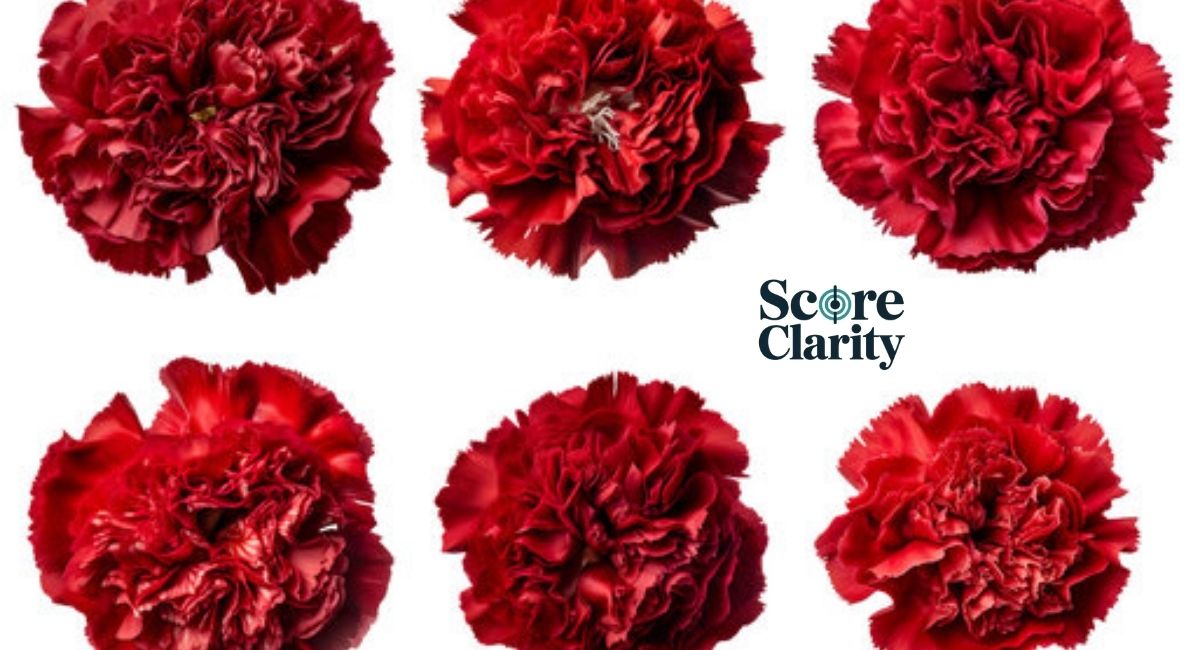
Scientific Name: Dianthus caryophyllus
Carnations are among the oldest cultivated flowers in the world and are admired for their ruffled petals, sweet fragrance, and long-lasting blooms. They are one of the most popular cut flowers used in weddings, birthdays, Mother’s Day, and other special occasions. Because they stay fresh for a long time after being cut, florists often use carnations in floral arrangements and decorative bouquets.
Carnations bloom from late spring through summer and thrive in full sunlight with fertile, well-drained soil. They require moderate watering and benefit from regular deadheading, which encourages more flowers throughout the growing season. These flowers are available in almost every color, making them suitable for nearly every garden design.
| Feature | Details |
| Botanical Name | Dianthus caryophyllus |
| Plant Family | Caryophyllaceae |
| Bloom Season | Late Spring to Summer |
| Flower Colors | Red, Pink, White, Yellow, Purple |
| Growing Conditions | Full Sun, Well-drained Soil |
Chrysanthemum
Scientific Name: Chrysanthemum morifolium
Commonly known as mums, chrysanthemums are among the most recognizable fall flowers in the United States. Their bright blooms provide vibrant color when many summer flowers have finished blooming. They are available in hundreds of varieties, offering different flower shape, sizes, and colors.
Chrysanthemums grow best in full sunlight with fertile soil and regular watering. They are widely planted in flower beds, containers, and public parks because they bloom for several weeks during autumn. Their long flowering period makes them valuable for seasonal gardens.
Daffodil
Scientific Name: Narcissus pseudonarcissus
Daffodils are cheerful spring flowers that announce the arrival of warmer weather. Their bright yellow trumpet-shaped flowers symbolize hope and new beginnings. These flowering bulbs multiply naturally over time, creating larger displays each spring.
Daffodils require little maintenance once planted. They grow best in sunny locations with moist but well-drained soil. Because deer and rabbits usually avoid them, they are excellent choices for home gardens.
Dahlia
Scientific Name: Dahlia pinnata
Dahlias are famous for producing some of the largest and most colorful blooms of any flowering plant. Gardeners appreciate their incredible diversity because flowers can range from small pom-pom shapes to giant dinner-plate blooms.
These beautiful ornamental flowers bloom continuously from midsummer until the first frost. Dahlias require fertile soil, full sunlight, and consistent watering. Removing faded flowers encourages new buds and extends the blooming season.
Gerbera Daisy
Scientific Name: Gerbera jamesonii
Gerbera daisies are loved for their large, brightly colored blooms that instantly brighten gardens and homes. Their cheerful appearance makes them one of the most popular flowers used in commercial bouquets and gift arrangements.
Gerberas prefer warm weather, full sun, and good air circulation. They are suitable for both gardens and container gardening, making them an excellent option for patios and balconies.
Gladiolus
Scientific Name: Gladiolus × hortulanus
Gladiolus flowers grow on tall spikes that produce numerous blossoms from the bottom upward. Their impressive height makes them excellent border plants and beautiful additions to flower gardens.
These flowers grow from corms and bloom throughout summer. They require full sunlight, fertile soil, and regular watering during active growth. Gladiolus flowers are also highly valued as cut flowers because they remain attractive in vases for many days.
Iris
Scientific Name: Iris germanica
Irises are elegant flowers recognized by their unique petals and striking appearance. They bloom during late spring and early summer in shades of blue, purple, white, yellow, and pink.
These perennial flowers perform best in sunny gardens with well-drained soil. They are excellent for flower borders because their upright leaves remain attractive even after flowering has ended.
Jasmine
Scientific Name: Jasminum officinale
Jasmine is famous around the world for its small white flowers and unforgettable fragrance. It is one of the most popular flowering vines grown in warm climates and is often planted near patios, fences, and garden entrances.
Jasmine blooms from spring through summer and thrives in full sun or partial shade. Its fragrant blossoms are widely used in perfumes, teas, and decorative gardens.
Lily
Scientific Name: Lilium
Lilies are elegant flowers admired for their large trumpet-shaped blooms and sweet fragrance. They are among the most popular garden flowers because they provide dramatic color and excellent vertical interest.
Lilies grow from bulbs and bloom during summer. They require fertile soil, moderate watering, and plenty of sunlight. Many varieties are also suitable as indoor flowering plants when grown in containers.
Magnolia
Scientific Name: Magnolia grandiflora
Magnolias are beautiful flowering trees that produce large, fragrant blossoms during spring and early summer. Their glossy evergreen leaves and impressive flowers make them valuable landscape trees throughout the southern United States.
Magnolias prefer fertile soil with regular watering while becoming established. Once mature, they require very little maintenance and provide shade as well as seasonal beauty.
Orchid
Scientific Name: Orchidaceae
Orchids belong to one of the largest flower families in the world. Their unusual flower structure and long-lasting blooms make them favorites among indoor gardeners.
Most orchids grow best with indirect sunlight, high humidity, and careful watering. Overwatering is one of the most common mistakes made by beginners, so allowing the growing medium to dry slightly between waterings helps maintain healthy roots.
Peony
Scientific Name: Paeonia lactiflora
Peonies are treasured for their enormous blooms and rich fragrance. These beautiful perennial flowers often live for decades when planted in suitable conditions. Their blossoms appear during late spring and are commonly featured in luxury wedding bouquets.
Peonies require full sun, fertile soil, and consistent moisture during active growth. Once established, they require very little attention and reward gardeners with spectacular flowers each year.
Quick Comparison of These Popular Flowers
| Flower | Type | Best Bloom Season | Best Garden Use |
| Carnation | Perennial | Spring–Summer | Bouquets |
| Chrysanthemum | Perennial | Fall | Seasonal Displays |
| Daffodil | Bulb | Spring | Borders |
| Dahlia | Tuber | Summer–Fall | Flower Beds |
| Gerbera Daisy | Perennial | Spring–Fall | Containers |
| Gladiolus | Corm | Summer | Cut Flowers |
| Iris | Perennial | Spring | Borders |
| Jasmine | Vine | Spring–Summer | Trellises |
| Lily | Bulb | Summer | Garden Beds |
| Magnolia | Tree | Spring | Landscaping |
| Orchid | Indoor Plant | Varies | Indoor Decoration |
| Peony | Perennial | Late Spring | Cottage Gardens |
Flower Care Tips for Healthy Blooms
Successful gardening begins with understanding your flowers’ needs. Most full sun plants require at least six hours of direct sunlight each day, while many shade tolerant varieties perform better with filtered light. Matching flowers to their preferred growing conditions is one of the easiest ways to encourage healthy growth and continuous flowering.
Healthy plants also depend on proper soil type, regular watering needs, and seasonal plant care. Adding compost improves soil fertility, while proper pruning removes dead growth and encourages fresh blooms. Many gardeners also use simple propagation methods such as seeds, cuttings, bulbs, or division to grow new plants without purchasing additional flowers.
Types of Flowers by Plant Family
Understanding flower families makes it much easier to identify different flowers and understand how they grow. Plants in the same family usually have similar flower structures, growing habits, and care requirements. Although there are hundreds of plant families worldwide, only a few contain most of the popular flowering plant species found in gardens across the United States.
The Rosaceae family includes roses, cherries, and many flowering fruit trees. These plants are admired for their colorful blooms and attractive foliage. The Asteraceae family is one of the largest in the world and includes daisies, sunflowers, chrysanthemums, asters, and zinnias. Members of this family are excellent pollinator-friendly flowers because they attract bees and butterflies throughout their blooming season.
The Liliaceae family contains elegant flowers such as lilies and tulips, while the Orchidaceae family includes thousands of orchid species known for their unusual flowers. The Fabaceae family contains sweet peas and other flowering legumes that also improve soil quality by fixing nitrogen.
| Plant Family | Popular Flowers |
| Rosaceae | Rose, Cherry Blossom |
| Asteraceae | Sunflower, Daisy, Chrysanthemum, Zinnia |
| Liliaceae | Lily, Tulip |
| Orchidaceae | Orchid |
| Fabaceae | Sweet Pea |
| Ranunculaceae | Buttercup, Anemone |
| Hydrangeaceae | Hydrangea |
Learning about plant family relationships helps gardeners understand similar plant care, disease resistance, and growing conditions, making flower selection much easier.
Types of Flowers by Life Cycle
One of the easiest ways to classify flowers is by their life cycle. This tells gardeners how long a plant will live and how often it produces flowers. Choosing the right combination of annual flowers, perennial flowers, and biennial flowers helps create colorful gardens throughout the year.
Annual flowers complete their entire life cycle within one growing season. They germinate from seed, grow, bloom, produce seeds, and die in the same year. Popular annuals include marigolds, petunias, zinnias, cosmos, and sunflowers. Because they bloom continuously, annuals provide long-lasting color during summer.
Perennial flowers return year after year. Their roots survive winter while new growth appears each spring. Roses, peonies, lavender, echinacea, daisies, lilies, and irises are excellent perennial choices. Although many bloom for only a few weeks each year, they require less replanting and often become larger over time.
Biennial flowers require two years to complete their life cycle. During the first year, they produce leaves and roots. During the second year, they flower, produce seeds, and then die. Foxgloves, hollyhocks, and some varieties of sweet william belong to this group.
| Life Cycle | Examples |
| Annual flowers | Sunflower, Zinnia, Marigold, Petunia |
| Perennial flowers | Rose, Lily, Peony, Lavender |
| Biennial flowers | Foxglove, Hollyhock |
By combining all three life cycles, gardeners can enjoy flowers in every growing season.
Types of Flowers by Color
Flower color plays an important role in garden design. Different colors create different moods and attract different pollinators. Bright colors often attract hummingbirds, while blue and purple flowers are especially attractive to bees.
White flowers such as lilies, gardenias, and jasmine create elegant evening gardens because they reflect moonlight. Red flowers including roses, poppies, and geraniums create bold focal points. Yellow flowers like sunflowers, daffodils, and black-eyed Susans bring warmth and happiness to landscapes.
Purple flowers including lavender, iris, and salvia create peaceful gardens, while blue flowers such as hydrangeas, cornflowers, and delphiniums provide a rare and eye-catching color. Pink flowers like peonies, tulips, and carnations are commonly used in wedding gardens because they symbolize love and admiration.
| Flower Color | Popular Flowers |
| White | Lily, Jasmine, Gardenia |
| Red | Rose, Poppy, Geranium |
| Yellow | Sunflower, Daffodil |
| Purple | Lavender, Iris |
| Blue | Hydrangea, Cornflower |
| Pink | Peony, Carnation, Tulip |
Mixing different flower colors creates beautiful gardens that remain attractive throughout the year.
Types of Flowers by Growing Conditions
Every flower grows best under certain growing conditions. Understanding sunlight requirements, soil type, and watering needs allows gardeners to choose plants that thrive in their local climate.
Many flowers such as roses, lavender, sunflowers, and zinnias are full sun plants that require six to eight hours of sunlight every day. Other flowers, including begonias, fuchsias, and impatiens, are naturally shade tolerant and perform better with filtered sunlight.
Some flowers are naturally drought tolerant once established. Lavender, salvia, echinacea, and yarrow survive dry conditions with little watering. Other plants such as hydrangeas require consistently moist soil to produce healthy blooms.
Gardeners should also consider USDA hardiness zones, which help determine whether a flower can survive winter temperatures in a specific location.
| Growing Condition | Suitable Flowers |
| Full Sun | Rose, Sunflower, Lavender |
| Partial Shade | Hydrangea, Fuchsia |
| Full Shade | Begonia, Impatiens |
| Dry Soil | Lavender, Salvia |
| Moist Soil | Hydrangea, Iris |
Matching flowers to their preferred environment reduces maintenance and improves flowering performance.
Most Popular Types of Flowers for Gardens and Landscaping
Homeowners often choose flowers that bloom for long periods, require little maintenance, and provide beautiful colors throughout the growing season. Combining garden flowers, flowering shrubs, flowering trees, and flowering vines creates attractive landscapes with interest in every season.
For spring displays, tulips, daffodils, hyacinths, and crocuses are excellent choices. During summer, roses, lilies, coneflowers, daisies, and zinnias become the stars of the garden. Autumn landscapes benefit from chrysanthemums, asters, and ornamental grasses, while camellias and hellebores provide winter blooms in warmer regions.
Many gardeners also include flowering bulbs, flowering herbs, and ground cover plants to create layers of color and texture. Native species support local wildlife while reducing maintenance because they naturally adapt to regional climates.
How to Choose the Right Type of Flower
Choosing the right flower depends on your climate, available space, and gardening goals. Before planting, consider your local hardiness zones, sunlight exposure, soil quality, and available watering. Matching flowers to your environment gives the best results with less effort.
Beginners should start with easy-to-grow flowers such as marigolds, sunflowers, zinnias, cosmos, daisies, and lavender. These flowers grow quickly, require little maintenance, and reward gardeners with colorful blooms.
If your goal is attracting wildlife, choose pollinator-friendly flowers such as echinacea, bee balm, lavender, salvia, black-eyed Susan, and native wildflowers. If you enjoy fresh bouquets, grow roses, carnations, lilies, gladiolus, and gerbera daisies because they perform exceptionally well as cut flowers.
Good plant care, occasional pruning, proper propagation, and regular watering help flowers stay healthy throughout their flowering period.
Conclusion
Flowers bring beauty, fragrance, and life to every landscape. From elegant roses and fragrant lavender to cheerful sunflowers and colorful wildflowers, every flower has unique characteristics that make it valuable in gardens and natural environments. Understanding flower classification, life cycle, plant family, growing conditions, and seasonal blooming patterns helps gardeners choose the best flowers for their climate and gardening goals.
Whether you are planting annual flowers, perennial flowers, flowering shrubs, flowering trees, or flowering vines, selecting the right plants and providing proper care will reward you with healthy blooms year after year. By combining different flower types, colors, and blooming seasons, you can create a beautiful garden that supports wildlife, enhances your landscape, and provides enjoyment throughout every season.
FAQ’S
What are 100 types of flowers?
There are hundreds of flower varieties worldwide, including roses, tulips, lilies, orchids, sunflowers, daisies, carnations, peonies, lavender, and hydrangeas.
What are the names of all the flowers?
It is impossible to list all flower names because there are over 400,000 flowering plant species. Some common examples include rose, lily, tulip, orchid, daffodil, iris, jasmine, and marigold.
What are the top 10 prettiest flowers?
Many people consider roses, orchids, peonies, lilies, tulips, hydrangeas, cherry blossoms, dahlias, lotuses, and sunflowers among the prettiest flowers.
What are the top 5 most popular flowers?
The five most popular flowers are roses, tulips, lilies, sunflowers, and orchids because of their beauty, fragrance, and widespread use in gardens and bouquets.
What is the 20 flower name?
There is no official “20th flower name,” but if listed alphabetically, the 20th flower depends on the specific flower list being used.
Meta Description
Discover 25 popular types of flowers with names, categories, bloom seasons, and growing tips. Learn how to choose the best flowers for your garden.

🚀 SEO Expert | Helping Businesses Rank Higher & Get More Organic Traffic
I’m an SEO Specialist focused on improving Google rankings, increasing organic traffic, and generating quality leads. I provide keyword research, on-page SEO, technical SEO, content optimization, SEO audits, and high-quality link building tailored to your business goals.
If you’re looking to grow your website with proven SEO strategies and long-term results, let’s work together.