

Finding the answer to what is the rarest flower in the world is not as simple as naming a single bloom. Some flowers are rare because they exist in only one small location, while others survive only through conservation efforts in botanical gardens. The famous Juliet Rose is valued for its remarkable creation, whereas the Ghost Orchid struggles because of habitat loss and changing climates.
Every rare flower has its own story, shaped by nature and time. In this guide, you’ll discover extraordinary blooms, learn why they are disappearing, and explore the fascinating world of rare flowers around the world that continues to captivate gardeners, botanists, and nature lovers alike.
What Makes a Flower Rare?
A flower becomes rare when it grows in very few places or survives under highly specific conditions. Scientists study its geographic origin, population size, and natural habitat before deciding how uncommon it is. Some plant species naturally occupy small areas, while others have become scarce because of habitat loss, deforestation, pollution, or changing climate conditions. A bloom may also qualify as rare if it flowers briefly or depends on one particular animal for pollination. These factors combine to create remarkable plants that are difficult to find even for experienced flower enthusiasts.
Nature never follows simple rules. Some flowering plants survive for centuries in isolated mountains. Others vanish from the wild within decades. The famous Franklinia alatamaha, known as the Franklin Tree Flower, disappeared from the banks of the Altamaha River in Georgia during the early nineteenth century. Today, every living tree descends from plants carefully preserved by botanists. Stories like this remind us that protecting biodiversity also protects the delicate balance of every ecosystem. Each surviving rare plant represents thousands of years of natural evolution that cannot easily be replaced.
| Factor | Why It Makes Flowers Rare |
| Limited geographic range | Found only in one small location |
| Habitat loss | Forest clearing destroys natural populations |
| Climate requirements | Needs precise temperature and humidity |
| Specialized pollinators | Depends on only one or two insects or animals |
| Slow reproduction | Produces very few seeds or flowers |
| Human collection | Illegal harvesting reduces wild populations |
| Extinction in the wild | Survives only through cultivation or conservation |
25 Rarest Flowers Around the World
Juliet Rose (Rosa ‘Juliet’)
The Juliet Rose changed the world of English garden roses forever. Created by famous rose breeder David Austin in England, this elegant English rose spent almost 15 years in development before its public debut. The remarkable hybrid rose reportedly cost more than $4 million to create, making it one of the most valuable flowers ever developed. Its soft apricot petals, rich fragrance, and perfectly layered bloom quickly earned worldwide admiration. Unlike many modern roses, this cultivated flower combines timeless beauty with excellent disease resistance. Today, gardeners treasure it as a symbol of patience, innovation, and expert plant breeding.
Corpse Flower (Amorphophallus titanum)
The Corpse Flower, or Amorphophallus titanum, is famous for producing one of the largest flower structures on Earth. Native to the dense tropical rainforest of Sumatra, Indonesia, this remarkable rare plant can grow taller than three meters. During its short blooming season, it releases a powerful smell similar to decaying meat. Although unpleasant to people, this odor attracts beetles and flies that serve as important pollinators. The flower may bloom only once every several years, making each annual bloom a celebrated event in botanical gardens around the world.
Franklin Tree Flower (Franklinia alatamaha)
The graceful Franklin Tree Flower, scientifically known as Franklinia alatamaha, has one of the most fascinating histories among all flowering plants. It once grew naturally along the Altamaha River in Georgia, yet it disappeared from its native habitat more than two centuries ago. Every living tree today descends from seeds collected before its disappearance. Thanks to early botanists and modern plant conservation, this elegant white flower survives in gardens and research collections. Its bright yellow center, glossy leaves, and delicate fragrance continue to impress flower enthusiasts worldwide.
Night-Blooming Cereus (Selenicereus grandiflorus)
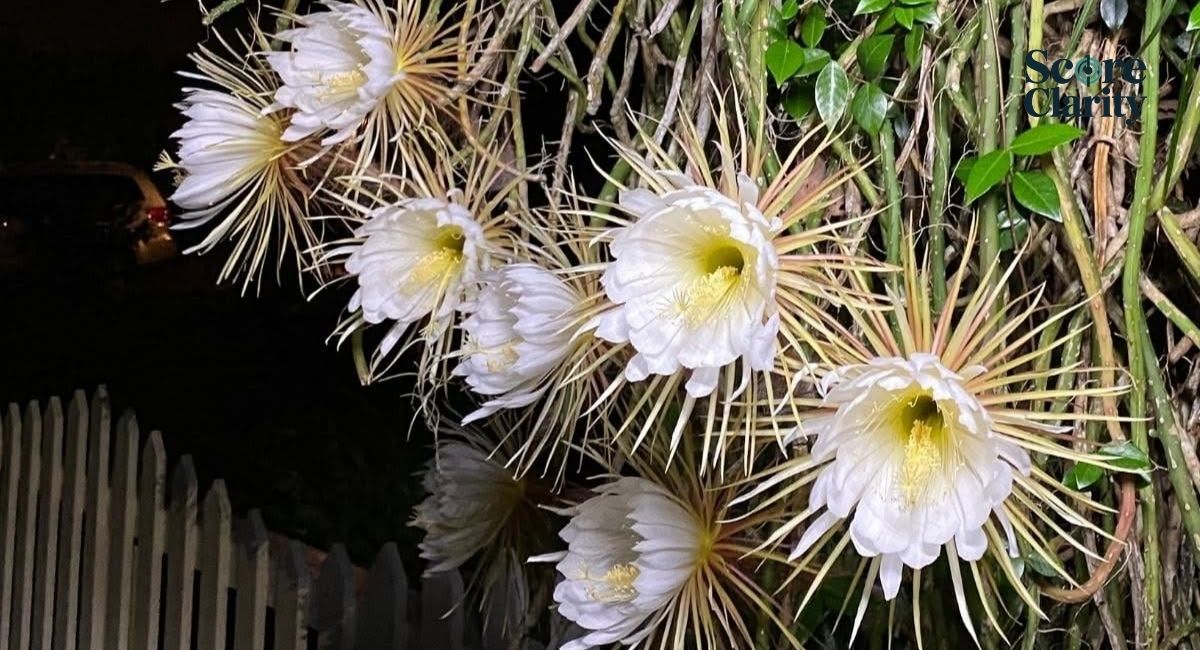
The spectacular Night-Blooming Cereus, or Selenicereus grandiflorus, proves that nature loves surprises. This fascinating flowering cactus grows across Central America and parts of South America. Large white flowers open after sunset and usually fade before sunrise. Many gardeners stay awake through the night just to witness this unforgettable display. Its sweet perfume fills the air while nighttime insects help with pollination. Because each flower lasts only a few hours, seeing this rare bloom feels like watching nature perform a private show.
Ghost Orchid (Dendrophylax lindenii)
The mysterious Ghost Orchid, scientifically called Dendrophylax lindenii, seems to float through the forest without support. This extraordinary member of the orchid family grows naturally in Florida, the Bahamas, and Cuba. Unlike ordinary orchids, it has almost no leaves. Instead, its roots perform photosynthesis while clinging tightly to tree bark. It thrives only in a warm humid climate, making successful cultivation extremely difficult. Increasing deforestation and disappearing wetlands continue to threaten this remarkable endangered species.
Black Bat Flower (Tacca chantrieri)
The dramatic Black Bat Flower, known scientifically as Tacca cha
Kadupul Flower (Epiphyllum oxypetalum)
The Kadupul Flower is often called the world’s most priceless bloom because you cannot buy it. Native to Sri Lanka and also found in parts of South Asia, this spectacular flowering cactus blooms only at night and fades before sunrise. Its large white petals release a rich perfume that fills the surrounding air within minutes. Since each rare bloom lasts only a few hours, seeing one feels like witnessing a natural miracle. Many cultures believe the flower brings good fortune, which adds even more mystery to its already fascinating story.
Youtan Poluo
The mysterious Youtan Poluo has inspired legends for centuries. According to ancient stories, this tiny white flower blooms only once every few thousand years. Modern scientists remain skeptical because many reported sightings are likely insect eggs or delicate fungal structures. Even so, the flower continues to attract curious visitors and flower enthusiasts who enjoy exploring one of nature’s greatest mysteries. Whether legend or reality, Youtan Poluo reminds you that not every botanical story has a simple answer.
Middlemist Red (Camellia Species)
The Middlemist Red is considered one of the rarest camellias on Earth. Although it originally came from China, only two known living specimens remain today. One grows in New Zealand, while the other survives in a historic greenhouse in the United Kingdom. Unlike many ornamental plants, this beautiful flower is protected through careful cultivation rather than wild conservation. Its brilliant pink petals and limited numbers make it one of the world’s most treasured botanical treasures.
Blue Puya (Puya berteroniana)
The dazzling Blue Puya almost looks unreal because of its metallic turquoise flowers and vivid orange stamens. Native to the mountains of Chile, this unusual tropical plant attracts birds instead of insects. Some scientists believe its striking colors evolved to improve visibility across rocky landscapes. The plant grows slowly and requires several years before flowering, making mature specimens extremely valuable in specialized botanical gardens and private collections.
Queen of the Night (Epiphyllum oxypetalum)
The elegant Queen of the Night shares similarities with the Kadupul Flower because both belong to the same cactus family. Its enormous white blossoms open after sunset and close before dawn. During this short display, the flowers release a powerful fragrance that attracts nighttime pollinators. Gardeners often gather with friends and family to celebrate this rare event because missing a single night means waiting another year for the next spectacular bloom.
Rafflesia (Rafflesia arnoldii)
The enormous Rafflesia arnoldii produces the largest individual flower on Earth. Native to the rainforests of Indonesia, particularly Sumatra, this remarkable plant grows without leaves, stems, or roots of its own. Instead, it lives inside the tissues of another plant until flowering begins. Like the Corpse Flower, it produces a powerful odor that attracts flies for pollination. Despite its size, the bloom survives for only a few days before collapsing.
Lady’s Slipper Orchid (Cypripedium Species)
The charming Lady’s Slipper Orchid receives its name from the pouch-shaped flower that resembles a tiny slipper. These beautiful members of the orchid family grow across Europe, Asia, and North America. They require healthy woodland habitats with rich soil and balanced moisture. Because these delicate conditions continue to disappear through habitat loss, many species now receive legal protection against collection and trade.
Darwin’s Slipper (Calceolaria uniflora)
The unusual Darwin’s Slipper grows in the cool mountain regions of Patagonia in South America. Bright orange and yellow flowers appear almost cartoon-like because of their unique shape. Birds feed on small white structures inside the bloom while carrying pollen between plants. This clever partnership shows how plants and wildlife often evolve together over thousands of years within the same ecosystem.
Torch Ginger (Etlingera elatior)
The bold Torch Ginger stands out with large waxy flowers that resemble colorful torches rising from tropical soil. Native to Southeast Asia, this impressive plant flourishes in warm forests with regular rainfall. Beyond its beauty, people also use its flower buds in traditional cooking throughout Malaysia, Thailand, and Indonesia. This combination of beauty and usefulness makes it one of the region’s most admired flowering plants.
Batwing Coral Tree (Erythrina vespertilio)
The striking Batwing Coral Tree grows naturally across northern Australia. Its scarlet flowers appear before the leaves, creating an unforgettable display against bare branches. Nectar-feeding birds become its primary pollinators during flowering. This adaptation allows successful reproduction even in dry environments where insects may be less active during certain seasons.
Catherine-Wheel Pincushion (Leucospermum catherinae)
The colorful Catherine-Wheel Pincushion belongs to South Africa’s famous fynbos vegetation. Its bright orange flower heads resemble fireworks frozen in time. The plant depends on nutrient-poor soils and periodic natural fires that help seeds germinate. Without these natural cycles, populations gradually decline. This surprising relationship demonstrates how even fire can support healthy biodiversity under the right conditions.
Himalayan Blue Poppy (Meconopsis betonicifolia)
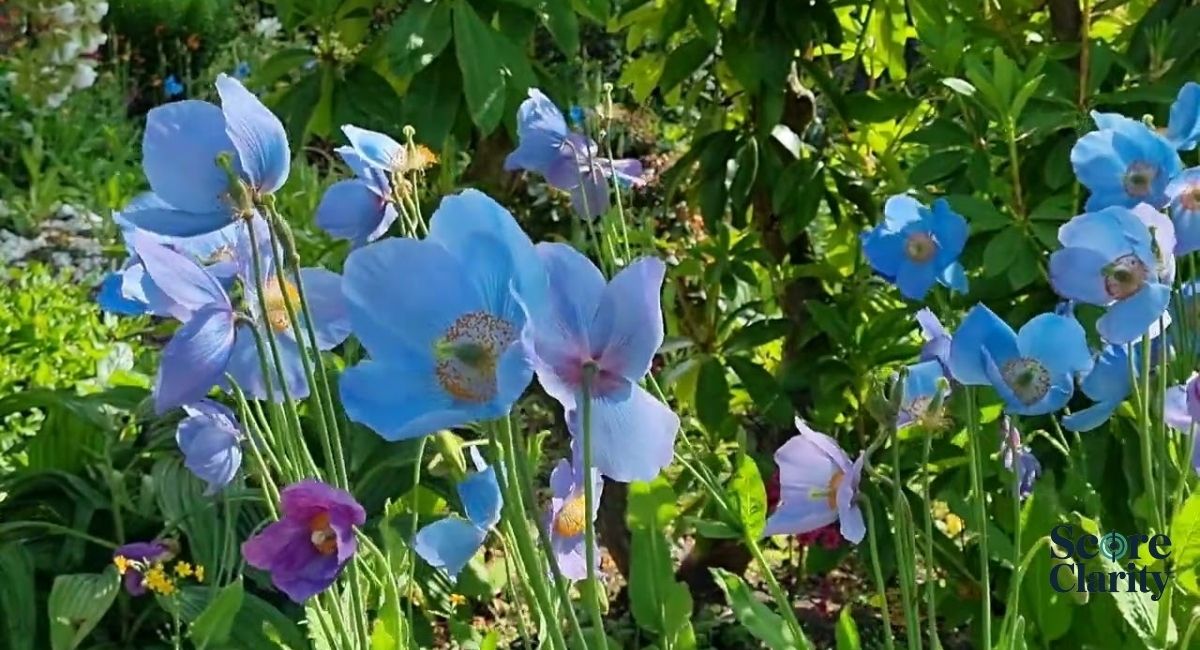
The breathtaking Himalayan Blue Poppy produces one of the rarest naturally blue flowers in the world. Native to the cool mountain slopes of the Himalayas, it prefers moist air, rich soil, and mild summers. Growing this spectacular plant outside its natural range can be difficult because it dislikes heat and dry conditions. Nevertheless, dedicated gardeners continue cultivating it for its unforgettable sky-blue petals and exceptional beauty.
Table: 25 Rare Flowers at a Glance
| Flower | Scientific Name | Native Region | Why It Is Rare |
| Juliet Rose | Rosa ‘Juliet’ | England | Costly breeding and limited cultivation |
| Corpse Flower | Amorphophallus titanum | Sumatra, Indonesia | Rare blooming cycle and habitat loss |
| Franklin Tree Flower | Franklinia alatamaha | Georgia, USA | Extinct in the wild |
| Night-Blooming Cereus | Selenicereus grandiflorus | Central & South America | Blooms for one night |
| Ghost Orchid | Dendrophylax lindenii | Florida, Bahamas, Cuba | Very specific growing conditions |
| Black Bat Flower | Tacca chantrieri | Southeast Asia | Difficult cultivation |
| Chocolate Cosmos | Cosmos atrosanguineus | Mexico | Extinct in the wild |
| Rothschild’s Slipper Orchid | Paphiopedilum rothschildianum | Borneo | Illegal collection |
| Jade Vine | Strongylodon macrobotrys | Philippines | Habitat destruction |
| Fire Lily | Gloriosa superba | Africa & Tropical Asia | Overharvesting |
| White Hawaiian Hibiscus | Hibiscus arnottianus | Hawaii | Limited natural range |
| Parrot’s Beak | Lotus berthelotii | Canary Islands | Loss of natural pollinators |
| Gibraltar Campion | Silene tomentosa | Gibraltar | Tiny remaining population |
| Kadupul Flower | Epiphyllum oxypetalum | Sri Lanka | Blooms only at night |
| Youtan Poluo | Unconfirmed | Asia | Extremely rare and debated |
| Middlemist Red | Camellia species | China | Only two known specimens |
| Blue Puya | Puya berteroniana | Chile | Slow growth |
| Queen of the Night | Epiphyllum oxypetalum | Central America | One-night flowering |
| Rafflesia | Rafflesia arnoldii | Indonesia | Specialized life cycle |
| Lady’s Slipper Orchid | Cypripedium species | Europe, Asia, North America | Habitat decline |
| Darwin’s Slipper | Calceolaria uniflora | South America | Restricted alpine habitat |
| Torch Ginger | Etlingera elatior | Southeast Asia | Tropical growing requirements |
| Batwing Coral Tree | Erythrina vespertilio | Australia | Limited natural distribution |
| Catherine-Wheel Pincushion | Leucospermum catherinae | South Africa | Specialized ecosystem |
| Himalayan Blue Poppy | Meconopsis betonicifolia | Himalayas | Sensitive climate requirements |
nutrieri, is one of the world’s most unusual ornamental plants. Native to Southeast Asia and tropical Asia, its dark petals resemble bat wings stretching through the air. Long whisker-like bracts create an even stranger appearance. The plant prefers filtered light, rich soil, and consistently warm weather. These demanding climate conditions explain why it remains uncommon outside specialist collections. Despite its mysterious appearance, it produces surprisingly beautiful blossoms.
Chocolate Cosmos (Cosmos atrosanguineus)
The delightful Chocolate Cosmos, or Cosmos atrosanguineus, is loved for both its appearance and fragrance. Native to Mexico, this remarkable flower carries deep burgundy petals that almost appear black in low light. Even more surprising, the blossoms release a sweet chocolate-like scent during warm afternoons. Wild populations disappeared long ago, leaving only cultivated clones maintained through root division. This unusual history makes it an excellent example of a flower surviving despite extinction in the wild through careful conservation efforts.
Rothschild’s Slipper Orchid (Paphiopedilum rothschildianum)
Among the world’s most valuable orchids, Rothschild’s Slipper Orchid stands as a masterpiece of nature. This rare species grows naturally on limestone cliffs in Borneo under very specific environmental conditions. Large striped petals spread outward while the central pouch gives the flower its slipper-like appearance. Illegal collection has reduced natural populations, making legal cultivation essential for protecting this remarkable member of the orchid family.
Jade Vine (Strongylodon macrobotrys)
The breathtaking Jade Vine lights up tropical forests with glowing turquoise flowers rarely seen elsewhere in nature. Native to the Philippines, this climbing vine depends on bats for pollination because its curved blossoms perfectly match their feeding habits. Rapid forest clearing has reduced suitable habitats, making this spectacular plant increasingly difficult to find outside protected reserves and major botanical collections.
Fire Lily (Gloriosa superba)
The striking Fire Lily looks as though its petals are dancing in the wind. Bright red and yellow petals curve backward, creating the appearance of flickering flames. Native to Africa and tropical Asia, this climbing plant grows from underground tubers. Although admired worldwide, wild populations continue to decline because of habitat destruction and excessive harvesting for traditional medicine.
White Hawaiian Hibiscus (Hibiscus arnottianus)
The elegant White Hawaiian Hibiscus is one of Hawaii’s treasured native flowers. Large white petals surround a long crimson stamen that attracts bees and native birds. It grows naturally in mountain forests where steady rainfall supports healthy growth. Conservation programs now protect remaining populations while encouraging responsible cultivation to preserve Hawaii’s unique floral diversity.
Parrot’s Beak (Lotus berthelotii)
The colorful Parrot’s Beak earns its name from bright curved flowers that resemble a bird’s beak. Native to the Canary Islands, this low-growing plant produces brilliant orange and red blossoms during spring. Scientists believe the flower once relied on birds that may no longer exist on the islands. This unusual ecological relationship makes it one of the most fascinating examples of changing ecosystems affecting plant survival.
Gibraltar Campion (Silene tomentosa)
The Gibraltar Campion came back from the edge of extinction after botanists rediscovered a tiny population growing on steep cliffs in Gibraltar. Before that discovery, experts believed the flower had vanished forever. Today, careful plant conservation, seed banking, and international cooperation help protect this remarkable species. Although still extremely rare, it has become a symbol of hope for endangered plant species and demonstrates how dedicated conservation can save even the rarest flowers from disappearing forever.
Why Are Some Flowers So Rare?
The disappearance of rare flowers around the world rarely happens for just one reason. Usually, several problems combine over time. A flower may need a specific forest, a certain insect, or a narrow temperature range to survive. When one part of this natural puzzle disappears, the entire plant population can struggle. Many endangered species today face pressure from changing environments, human activity, and shrinking habitats.
Understanding why flowers become rare helps scientists create better protection plans. A plant is not only a beautiful object for gardens. It is a living part of a larger ecosystem that supports insects, animals, and other flowering plants. Protecting one rare flower often means protecting an entire natural community.
Habitat Loss and Deforestation
One of the biggest threats facing rare plants is the destruction of their native habitat. Forests are cleared for farming, roads, buildings, and industries. When a tropical rainforest disappears, many specialized plants lose the exact conditions they need for survival. The Ghost Orchid, for example, depends on humid forests in Florida, the Bahamas, and Cuba where temperature and moisture remain stable.
Deforestation creates a chain reaction. Trees disappear first, then insects and animals that support plant reproduction also decline. Without these natural partners, some flowers cannot produce seeds. Over time, a once-thriving population may move closer toward extinction in the wild.
Climate Change and Environmental Stress

Climate change has become another serious challenge for rare flowers. Many plants evolved over thousands of years to survive in specific climate conditions. A small increase in temperature or a change in rainfall patterns can disturb their growth cycle. Mountain flowers, desert plants, and tropical species are especially vulnerable because they often have nowhere else to move.
For example, flowers growing in high mountains cannot simply travel upward forever as temperatures rise. Their suitable habitat becomes smaller every year. Changes in seasons can also affect the relationship between flowers and their pollinators, creating problems during the important blooming season.
Illegal Plant Collection and Trade
Some rare flowers become endangered because people want to own them. Collectors often pay high prices for unusual plants with unique colors, shapes, or fragrances. Unfortunately, removing plants from the wild can destroy fragile populations that took centuries to develop.
The Rothschild’s Slipper Orchid is an example of a plant affected by illegal collection. Its unusual appearance made it highly desirable among collectors. Today, many countries use strict laws and protected areas to prevent the loss of valuable botanical specimens.
Specialized Pollinators and Slow Reproduction
Many rare flowers survive because they have developed special relationships with certain animals. This connection can make them incredibly beautiful but also vulnerable. If the animal disappears, the flower may struggle to reproduce naturally.
The Jade Vine offers a fascinating example. Its unusual shape evolved alongside specific pollinators that help spread pollen. Other plants produce flowers only once every few years, making population recovery extremely slow. A small disturbance can create a large impact.
Limited Native Habitats
Some flowers are rare simply because they naturally grow in only one small location. These plants are called restricted-range species because their entire population may exist within a tiny area. The Franklin Tree Flower is a perfect example because its original wild location was limited to the Altamaha River region of Georgia.
Small populations face greater risks from storms, disease, fires, and human activity. When a species has fewer individuals, it also has less genetic diversity. This makes adapting to new challenges much harder.
Where Do Rare Flowers Grow?
Rare flowers appear across every continent, but they often hide in places where conditions are difficult for humans to reach. Deep forests, remote islands, mountain valleys, and protected landscapes often contain the world’s most unusual blooms. These locations provide special combinations of soil, rainfall, temperature, and wildlife relationships.
The geographic location of a flower tells an important story. A plant from a tropical rainforest behaves very differently from one growing in a cold mountain region. Studying these differences helps researchers understand floral diversity and improve global plant conservation programs.
| Region | Examples of Rare Flowers | Unique Environment |
| Southeast Asia | Corpse Flower, Black Bat Flower, Jade Vine | Tropical forests with high humidity |
| North America | Ghost Orchid, Franklin Tree Flower | Wetlands and woodland habitats |
| South America | Night-Blooming Cereus, Rafflesia relatives | Rainforests and mountain areas |
| Europe | Gibraltar Campion, Juliet Rose | Cliffs, gardens, and cultivated collections |
| Africa | Fire Lily, Catherine-Wheel Pincushion | Dry landscapes and specialized ecosystems |
| Himalayas | Himalayan Blue Poppy | Cool mountain climates |
Rare Flowers Found in Asia
Asia contains some of the planet’s most extraordinary rare flowering plants. The tropical forests of Indonesia, the Philippines, and Southeast Asia support unique species that cannot survive elsewhere. The Corpse Flower and Rafflesia arnoldii thrive in these warm, wet environments where dense forests create ideal growing conditions.
Many Asian rare flowers depend on ancient forest ecosystems. Unfortunately, rapid land development has reduced many natural areas. Conservation groups now work with local communities to protect these valuable regions and preserve their incredible biodiversity.
Rare Flowers Native to Europe
Europe is home to several fascinating flowers with unusual histories. The Juliet Rose represents careful human cultivation through expert plant breeding, while the Gibraltar Campion shows how conservation can rescue a species from disappearing.
European botanical gardens play an important role in protecting rare plants. They maintain carefully controlled environments where scientists can study growth patterns and preserve genetic material for future generations.
Rare Flowers Across North America
North America contains several rare flowers adapted to unique habitats. The Ghost Orchid survives in Florida’s wetlands, while the Franklin Tree Flower continues through cultivated collections after disappearing from nature.
These plants demonstrate why protecting local environments matters. A small wetland or forest area may appear ordinary, yet it can support species found nowhere else on Earth.
Exotic Flowers From South America
South America offers some of the richest plant diversity on the planet. Its rainforests contain countless unknown species alongside famous rare blooms. Warm temperatures, heavy rainfall, and complex ecosystems allow unusual flowers to evolve unique survival strategies.
The Night-Blooming Cereus represents this fascinating world. Its short nighttime flowering period shows how plants adapt to their environment and the creatures around them.
African Rare Flower Species
Africa’s rare flowers often survive in challenging environments. Some grow in dry regions while others depend on seasonal rainfall patterns. The Fire Lily and Catherine-Wheel Pincushion demonstrate how plants adapt to different landscapes.
These species remind us that rarity does not always mean weakness. Many rare flowers are incredibly resilient. They simply require specific environments that are becoming harder to maintain.
Island Flowers With Limited Distribution
Islands often create natural laboratories where unique plants develop. Because islands are separated from larger land areas, flowers can evolve independently for thousands of years. However, this isolation also creates vulnerability.
A storm, invasive species, or habitat change can affect an entire population quickly. Protecting island ecosystems is therefore essential for saving rare flowers that exist nowhere else.
The Most Beautiful Rare Flowers You Should Know
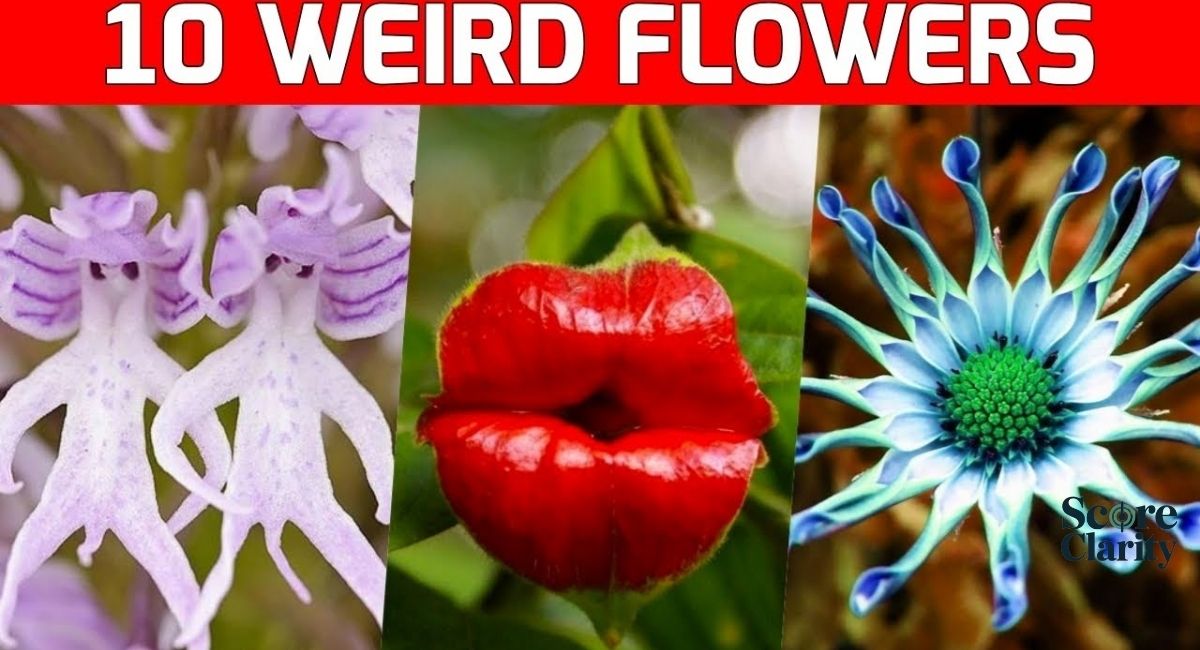
Beauty is one reason people search for rare flowers around the world, but these plants offer much more than attractive colors. Their unusual shapes, surprising scents, and fascinating survival methods make them true natural masterpieces. Some look like they came from another planet, while others appear delicate yet survive in harsh environments. Every rare bloom has a story shaped by evolution, climate, and its surrounding ecosystem.
From glowing blue vines to ghostly white orchids, these flowers show the incredible creativity of nature. Many are protected inside botanical gardens because seeing them in the wild has become increasingly difficult. These collections help researchers study plant species while allowing visitors to experience extraordinary examples of global floral diversity.
Rare Flowers With Extraordinary Colors
Color plays a powerful role in attracting attention, insects, and animals. Some rare flowering plants produce shades that seem almost impossible in nature. The Black Bat Flower, for example, creates naturally dark petals that appear nearly black. True black flowers are extremely uncommon because most plants produce pigments that lean toward purple, red, or deep brown.
The Himalayan Blue Poppy creates another unforgettable display with its soft sky-blue petals. This unusual color helps the plant stand out among mountain landscapes. Similarly, the turquoise flowers of the Jade Vine create a rare visual experience that attracts both humans and specialized pollinators. These colors are not just decoration. They are survival tools developed through thousands of years of evolution.
Rare Flowers That Bloom Only at Night
Some flowers choose darkness instead of sunlight. Night-blooming species have adapted to attract nighttime creatures such as moths and bats. Their timing helps reduce competition with daytime flowers and allows them to use different pollination partners.
The Night-Blooming Cereus is one of the best examples. Its large white flower opens after sunset and disappears by morning. The Kadupul Flower follows a similar pattern. For many gardeners, witnessing these short-lived blossoms feels like catching a secret performance from nature.
Rare Flowers With Unusual Shapes
Nature often creates flowers with surprising designs. Some resemble animals, while others appear almost artificial. The Ghost Orchid looks like a floating white spirit because its roots and flower structure create an unusual appearance. This unique design has made it one of the world’s most admired orchids.
The Parrot’s Beak earned its name because its curved blossoms resemble a bird’s beak. The Lady’s Slipper Orchid features a pouch-like structure that looks like a tiny shoe. These shapes are not random. They often help guide pollinators toward the parts of the flower needed for reproduction.
Rare Flowers Known for Their Fragrance
A flower’s scent can be just as memorable as its appearance. Some produce sweet perfumes, while others create unusual smells designed for survival. The Chocolate Cosmos releases a scent similar to chocolate, making it a favorite among gardeners and collectors.
However, not every rare flower smells pleasant. The Corpse Flower produces an odor similar to rotting meat. This strange fragrance attracts flies and beetles that help with pollination. Nature does not always choose beauty in the way humans expect. Sometimes survival requires a completely different approach.
Rare Flowers With the Largest Blooms
Size can also make flowers remarkable. The Rafflesia arnoldii produces the largest individual flower in the world. Its massive bloom can reach impressive sizes while growing directly from a host plant.
The Corpse Flower also creates a giant floral structure that attracts thousands of visitors when it blooms. These enormous flowers demonstrate how plants can develop extraordinary features to survive and reproduce.
Can You Grow Rare Flowers at Home?
Growing rare flowers at home can be exciting, but it requires patience, knowledge, and the right environment. Many unusual plants are not difficult because they are weak. They are challenging because they evolved for very specific conditions. A flower from a tropical rainforest may struggle in a dry indoor room, while a mountain plant may dislike warm temperatures.
Before growing any rare plant, you should understand its native habitat, soil needs, light requirements, and watering schedule. Some species are excellent choices for experienced gardeners, while others are better maintained by professional growers and botanical collections.
| Rare Flower | Growing Difficulty | Main Requirement |
| Chocolate Cosmos | Moderate | Warm soil and careful propagation |
| Black Bat Flower | Difficult | High humidity and shade |
| Night-Blooming Cereus | Easy to Moderate | Bright light and occasional watering |
| Ghost Orchid | Very Difficult | Controlled humidity and specialized care |
| Jade Vine | Difficult | Tropical climate and support structure |
| Himalayan Blue Poppy | Difficult | Cool temperatures and moist soil |
Rare Flowers Suitable for Home Gardens
Some rare plants can adapt well to home gardens when provided with suitable care. The Night-Blooming Cereus is one example because it grows well in containers and rewards gardeners with spectacular nighttime flowers. The Chocolate Cosmos can also be cultivated successfully through careful propagation methods.
However, availability matters. Many rare plants should only be purchased from responsible growers. Buying illegally collected specimens can damage wild populations and contribute to the decline of vulnerable species.
Essential Growing Conditions
Rare flowers often require conditions that closely copy their original environment. Tropical species usually need warmth, moisture, and filtered sunlight. Mountain plants may require cooler temperatures and excellent drainage.
For example, the Black Bat Flower prefers a humid climate similar to its natural home in Southeast Asia. Without enough moisture, its leaves may suffer and flowering can become difficult. Understanding these details makes successful cultivation much more rewarding.
Common Challenges Beginners Face
The biggest challenge with rare plants is understanding their natural behavior. Many gardeners expect quick results, but some unusual flowers take years before producing their first bloom. The Jade Vine, for instance, may require patience before showing its famous turquoise flowers.
Another challenge involves seasonal changes. Some plants need specific resting periods before flowering. Others depend on certain pollinators that may not exist outside their original environment.
Tips for Successfully Growing Rare Flowers
Successful cultivation begins with research. Learn where the plant originally grew and try to recreate those conditions. Use quality soil, monitor moisture levels, and avoid sudden environmental changes.
It is also important to respect the plant’s natural cycle. A rare flower is not like a supermarket decoration. It is a living organism with its own rhythm, needs, and history.
Legal Considerations Before Buying Rare Flowers
Many rare plants are protected under international conservation laws. Purchasing wild-collected flowers may harm endangered populations and contribute to illegal trade. Always choose plants grown through ethical cultivation.
Responsible gardening supports plant conservation instead of damaging it. By choosing legal sources, you help ensure future generations can enjoy these incredible botanical trea
Conservation Efforts to Protect Rare Flowers
Protecting rare flowers around the world requires cooperation between scientists, gardeners, governments, and local communities. Many plants that once grew freely in forests now survive only through careful protection. Plant conservation programs work to save endangered species by protecting natural habitats, creating seed banks, and growing rare plants in controlled environments.
Modern botanical gardens play a major role in saving threatened flowers. They preserve genetic material, study plant behavior, and educate visitors about biodiversity. Species such as the Ghost Orchid, Franklin Tree Flower, and other vulnerable flowering plants benefit from these efforts. Without these programs, some rare blooms could disappear forever.
Botanical Gardens Preserving Rare Species
Botanical gardens act like safe homes for endangered plants. They provide controlled environments where scientists can recreate natural conditions and protect delicate species. These collections allow researchers to understand plant growth, reproduction, and survival.
Many rare plants are now maintained as botanical specimens because their original habitats have been damaged. These gardens also help the public discover unusual flowers while spreading awareness about protecting nature.
Seed Banks and Plant Tissue Culture
Seed banks preserve plant genetics for future generations. They store seeds under carefully controlled conditions so scientists can restore populations when needed. However, some rare flowers produce few seeds or cannot survive traditional storage methods.
In these cases, experts use tissue culture techniques to create new plants from small pieces of living tissue. This method has helped protect several endangered plant species and provides hope for flowers facing extinction in the wild.
Wildlife Protection Laws
Laws help prevent illegal collection and trade of rare plants. Many beautiful flowers become threatened because collectors remove them from their native habitat for profit. Strict regulations encourage responsible cultivation and protect wild populations.
These protections are especially important for orchids and tropical plants. Many orchid species grow slowly, meaning damaged populations may need decades to recover naturally.
International Conservation Programs
Saving rare flowers is a global responsibility. Organizations around the world work together to protect forests, wetlands, mountains, and other important habitats. These programs focus on preserving entire ecosystems instead of saving only individual plants.
Protecting a rare flower also protects insects, animals, and microorganisms connected to it. Every plant plays a role in maintaining Earth’s natural balance.
Simple Ways You Can Help Protect Rare Flowers
You do not need to be a scientist to support flower conservation. Small choices can make a meaningful difference. Buying plants from responsible growers, avoiding illegal wild collections, and supporting environmental projects all help protect rare species.
Learning about rare flowers is another powerful step. When people understand the value of nature, they become more willing to protect it.
Interesting Facts About Rare Flowers
The world of rare flowers is full of surprising discoveries. Some flowers smell like chocolate, while others smell like decaying animals. Some bloom for only a few hours, and others take many years before producing their first flower. These unusual characteristics make rare blooms some of nature’s greatest mysteries.
Beyond their beauty, these flowers reveal incredible survival strategies. They show how plants adapt to different environments, form relationships with pollinators, and continue existing despite major challenges.
| Amazing Fact | Rare Flower Example |
| Largest individual flower | Rafflesia arnoldii |
| Strongest unpleasant smell | Corpse Flower |
| Blooms only at night | Kadupul Flower |
| Chocolate-like fragrance | Chocolate Cosmos |
| Extremely rare orchid | Ghost Orchid |
| Expensive cultivated flower | Juliet Rose |
| Extinct in the wild | Franklin Tree Flower |
The World’s Most Expensive Flower
The Juliet Rose is often considered one of the most expensive roses ever created. Developed by David Austin, this beautiful English rose required years of careful breeding. Its elegant shape and soft coloring made it famous among gardeners worldwide.
Although its value comes from cultivation rather than natural scarcity, it represents the dedication behind creating exceptional ornamental plants.
Flowers That Bloom Only Once a Year
Some rare flowers create excitement because their blooming events are incredibly short. The Night-Blooming Cereus and Queen of the Night may open for only one evening.
Gardeners often organize special viewing events because missing the bloom means waiting another year. These flowers remind us to appreciate temporary moments in nature.
Flowers With the Strongest Smells
Not every memorable flower has a sweet perfume. The Corpse Flower uses its powerful odor to attract insects that normally visit decaying material. This unusual strategy helps the plant reproduce.
Meanwhile, flowers like the Chocolate Cosmos use pleasant scents to attract attention. Both examples show how fragrance plays an important role in plant survival.
The Largest Flower on Earth
The giant Rafflesia arnoldii holds the record for producing one of the largest individual flowers. Its huge size helps it stand out in dense forests, but its survival depends on very specific environmental conditions.
This unusual flower demonstrates that bigger does not always mean stronger. Even giant blooms can become vulnerable when habitats disappear.
Rare Flowers That Live for Decades
Some rare plants spend years growing before producing flowers. Their slow development makes conservation even more important. Losing a mature plant can represent decades of lost growth.
Patience is essential when studying these plants. Nature often works on a timeline much slower than human expectations.
Amazing Pollination Facts
Pollination connects flowers with the animal world. Bees, butterflies, birds, bats, and insects all help plants reproduce. Some rare flowers evolved special designs to attract specific pollinators.
For example, the Jade Vine depends on unique relationships with animals in its environment. Without these connections, many rare blooms would struggle to survive.
FAQ’S
What is the rare death flower?
The Corpse Flower (Amorphophallus titanum) is often called the “death flower” because it releases a strong odor similar to rotting flesh when it blooms.
What flower is 32,000 years old?
The Silene stenophylla is the famous flower revived from approximately 32,000-year-old seeds preserved in Siberian permafrost by Russian scientists.
What are the top 5 rarest flowers?
The five rarest flowers are generally considered to be the Middlemist Red, Ghost Orchid, Juliet Rose, Franklin Tree Flower, and Rothschild’s Slipper Orchid.
What flower only blooms every 100 years?
No flower actually blooms every 100 years. This common myth usually refers to the Century Plant (Agave americana), which typically flowers once after 10–30 years, not 100 years, before the plant dies.
What Is the Rarest Flower in the World?
There is no single answer because rarity depends on population size, location, and survival conditions. Flowers such as the Middlemist Red, Ghost Orchid, and Franklin Tree Flower are considered among the rarest because only limited populations remain.
Conclusion:
The incredible world of rare flowers around the world shows how creative and resilient nature can be. From the mysterious Ghost Orchid to the enormous Corpse Flower, each bloom carries a unique story shaped by evolution, environment, and survival.
These flowers are more than beautiful decorations. They are important parts of global biodiversity and represent thousands of years of natural development. By supporting conservation efforts, respecting natural habitats, and appreciating these remarkable plants, we can help ensure future generations experience their beauty.
Nature creates masterpieces that cannot be replaced. Protecting rare flowers means protecting the living history of our planet.
Meta Description
Discover 25 rare flowers around the world, including the Ghost Orchid, Corpse Flower, Juliet Rose, and more. Learn why these rare blooms are endangered, where they grow, and how they are protected.

🚀 SEO Expert | Helping Businesses Rank Higher & Get More Organic Traffic
I’m an SEO Specialist focused on improving Google rankings, increasing organic traffic, and generating quality leads. I provide keyword research, on-page SEO, technical SEO, content optimization, SEO audits, and high-quality link building tailored to your business goals.
If you’re looking to grow your website with proven SEO strategies and long-term results, let’s work together.