

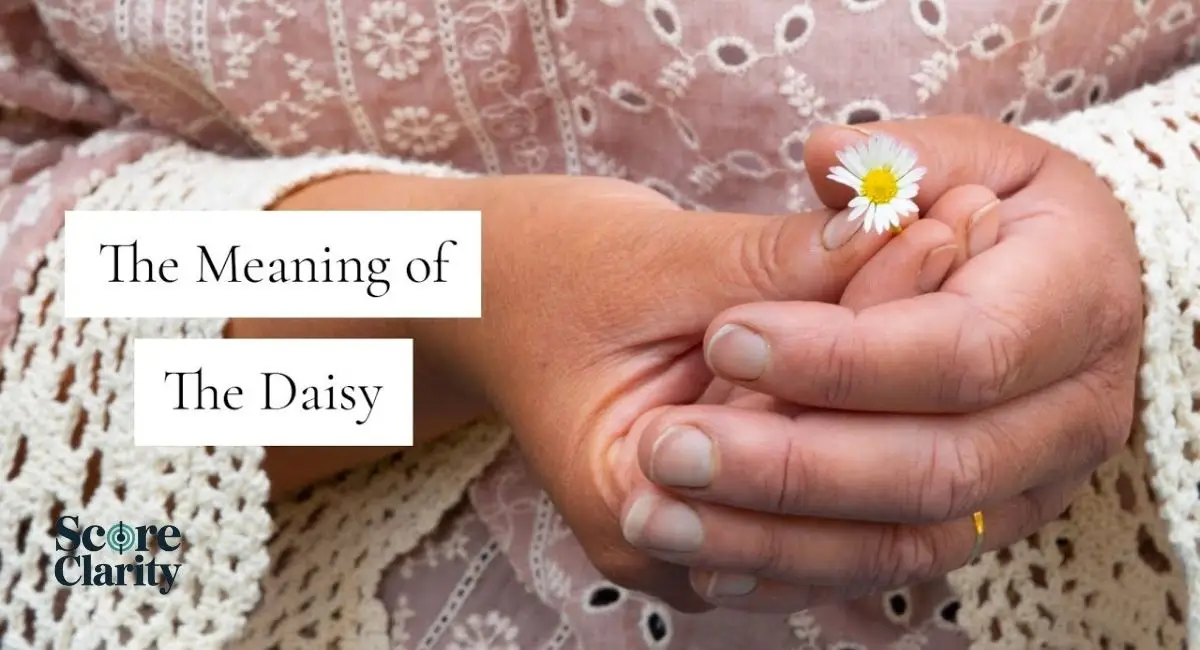
The Daisy Flower Meaning is connected with innocence, purity, happiness, friendship, love, and new beginnings. For centuries, this beautiful spring flower has been admired for its simple appearance and deep floral symbolism across different cultures. Daisies represent hope, optimism, faithfulness, trust, and the joy found in everyday moments.
From ancient traditions and flower language to modern bouquets and gardens, these charming blooms continue to carry powerful messages. Different colors also have unique meanings, such as the purity of white daisies, the friendship of yellow daisies, and the passion of red daisies. Whether used as wedding flowers, gifts, tattoos, or garden flowers, daisies remain a timeless symbol of beauty, simplicity, and positive emotions.
Daisy Flower Meaning and Symbolism
The Daisy flower meaning has remained positive for thousands of years. People admire this flower because it blooms with fresh energy every spring. It reminds us that every ending can become a new beginning. The bright white petals surrounding the golden center symbolize light overcoming darkness. This simple appearance has made the daisy a universal symbol of hope and happiness.
The daisy also represents innocence, purity, loyal love, friendship, trust, optimism, faithfulness, beauty, simplicity, childhood, motherhood, fertility, and new beginnings. In the language of flowers, giving someone daisies expresses honest feelings without expecting anything in return. During the Victorian era, people often used daisies to send silent messages of affection and respect. Today, daisies remain popular as wedding flowers, anniversary flowers, sympathy flowers, and thoughtful gifts for family and friends.
Common Daisy Flower Meanings
| Symbol | Meaning |
| Innocence | Pure heart and honest intentions |
| Purity | Clean thoughts and sincerity |
| True Love | Deep emotional connection |
| Friendship | Loyal and lasting relationships |
| Hope | Looking forward with confidence |
| Happiness | Bringing smiles and positive energy |
| Joy | Celebrating life’s beautiful moments |
| Optimism | Seeing the brighter side of life |
| Faithfulness | Loyalty and commitment |
| Trust | Strong and dependable relationships |
| Motherhood | Care, protection, and nurturing |
| Fertility | Growth and abundance |
| New Beginnings | Fresh opportunities and new chapters |
| Beauty | Natural charm without complexity |
| Simplicity | Appreciating life’s simple pleasures |
Daisy Flower Origin and History of Daisies
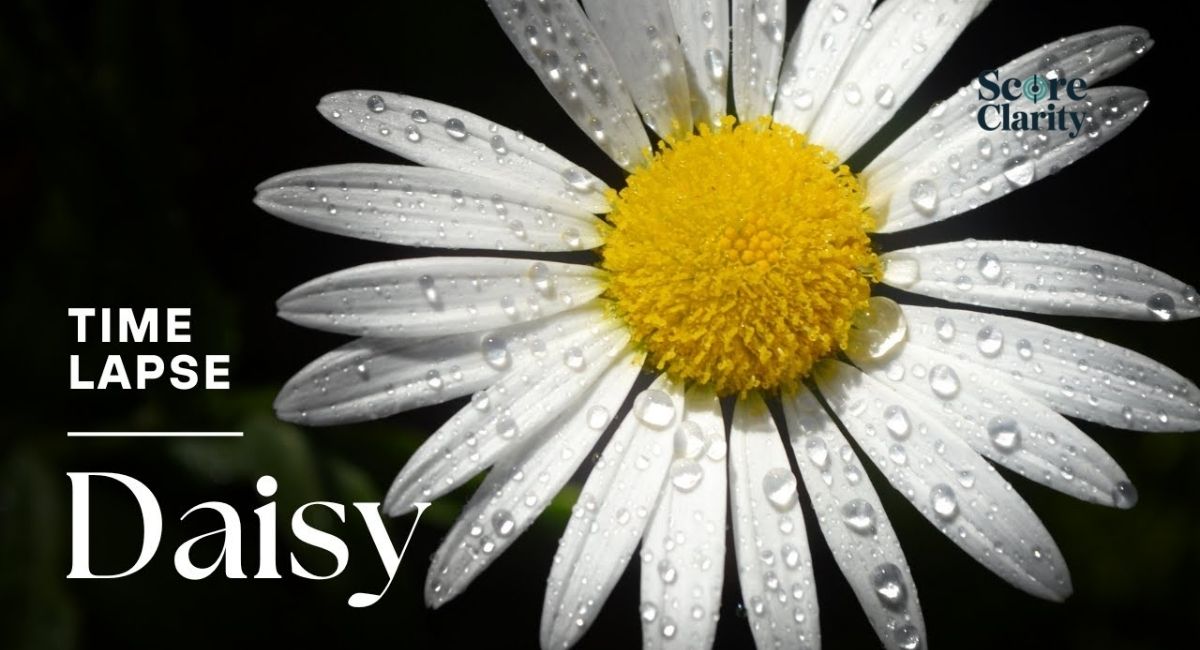
The Daisy flower origin goes back thousands of years. Scientists believe daisies belong to the large Asteraceae family, one of the biggest flowering plant families on Earth. These flowers naturally grow across Europe, Asia, North America, and parts of Africa. Over time, gardeners cultivated many new varieties, making daisies one of the world’s most popular garden flowers.
The History of daisies shows that ancient civilizations admired these flowers for both decoration and medicine. Early farmers noticed how daisies returned every spring, making them symbols of renewal and life. Their ability to grow in different climates also made them favorites among gardeners. Today, many daisy species grow as wildflowers, while others are carefully cultivated in parks, botanical gardens, and home landscapes around the world.
Daisy Flower Facts
| Feature | Information |
| Scientific Family | Asteraceae |
| Flower Type | Composite flower |
| Bloom Season | Spring through summer |
| Plant Type | Mostly perennial flower |
| Native Regions | Europe, Asia, Africa, North America |
| Common Uses | Gardens, bouquets, floral arrangements |
| Pollinators | Honeybees, butterflies, beneficial insects |
Why Daisies Are Called a Composite Flower
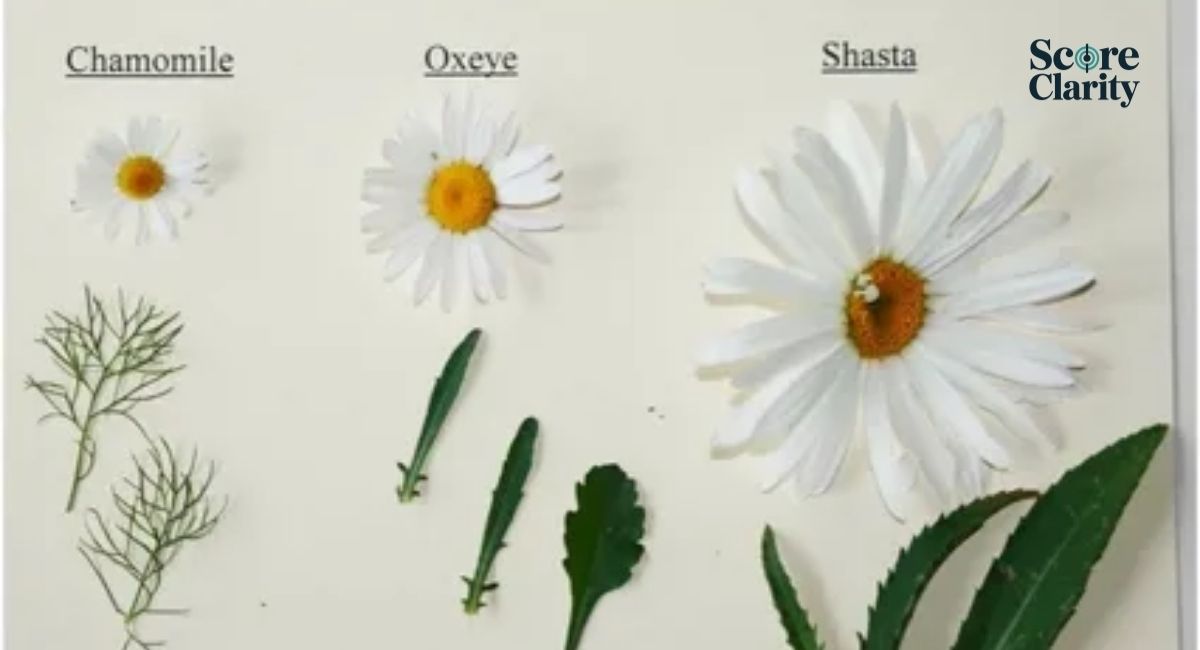
Many people think a daisy is one single flower. In reality, it is a composite flower, meaning it is made of many tiny flowers joined together. The yellow center contains hundreds of tiny disc flowers. Each white petal around the edge is actually an individual ray flower. Together they create what appears to be one large bloom.
This special structure helps attract many important pollinators. Honeybees, butterflies, hoverflies, and other insects easily land on the wide flower surface while collecting nectar and pollen. As they move between flowers, they help plants reproduce. This makes daisies valuable not only for their beauty but also for supporting healthy ecosystems and biodiversity.
Daisy Structure
| Part | Purpose |
| Ray Flowers | Attract insects with colorful petals |
| Disc Flowers | Produce pollen and seeds |
| Stem | Supports the flower head |
| Leaves | Make food through photosynthesis |
| Roots | Absorb water and nutrients |
Daisy Mythology and Ancient Beliefs
Daisy mythology appears in many ancient cultures. The flower often represents the cycle of life because it opens with the sunrise and closes at sunset. This daily movement reminded people of the connection between nature, time, and renewal. Ancient storytellers believed daisies carried messages from the natural world and brought comfort during difficult times.
In many old traditions, daisies also symbolized protection and blessings. Children often played in fields filled with daisies because people believed these flowers brought good luck. Their cheerful appearance made them symbols of hope during challenging seasons. Even today, many people see daisies as reminders to stay positive and appreciate simple moments.
“Like the daisy that opens to the morning sun, hope returns with every new day.”
Daisy Folklore Around the World
Daisy folklore has been passed from one generation to another for centuries. In many European villages, people believed daisies could predict love. Young couples would gently remove each petal while repeating phrases about affection. This simple tradition became known as the “loves me, loves me not” game, which remains popular today.
Some communities believed daisies growing near homes brought peace and protected families from bad luck. Farmers also welcomed daisies into their fields because they attracted beneficial insects that helped nearby crops. These stories strengthened the flower’s reputation as a symbol of friendship, loyal love, happiness, trust, hope, and protection.
Daisy Folklore Across Cultures
| Culture | Traditional Belief |
| European | Symbol of true love and romance |
| English | Brings happiness to the home |
| Rural Farming Communities | Attracts good fortune and healthy harvests |
| Modern Tradition | Represents friendship and joyful memories |
Why Daisies Remain Popular Today
Modern flower lovers continue choosing daisies because they combine natural beauty with meaningful symbolism. Florists use them in colorful bouquets and elegant floral arrangements for birthdays, weddings, anniversaries, graduations, baby showers, and sympathy occasions. Their fresh appearance suits almost every celebration while expressing sincere emotions.
Gardeners also appreciate daisies because many varieties are easy to grow. As a perennial flower, many daisy species return year after year with very little care. They brighten landscapes, attract butterflies and honeybees, and fill gardens with cheerful blooms throughout spring and summer. Their lasting popularity proves that simple flowers often carry the deepest meanings.
Daisy Flower Meaning by Color and Popular Daisy Varieties
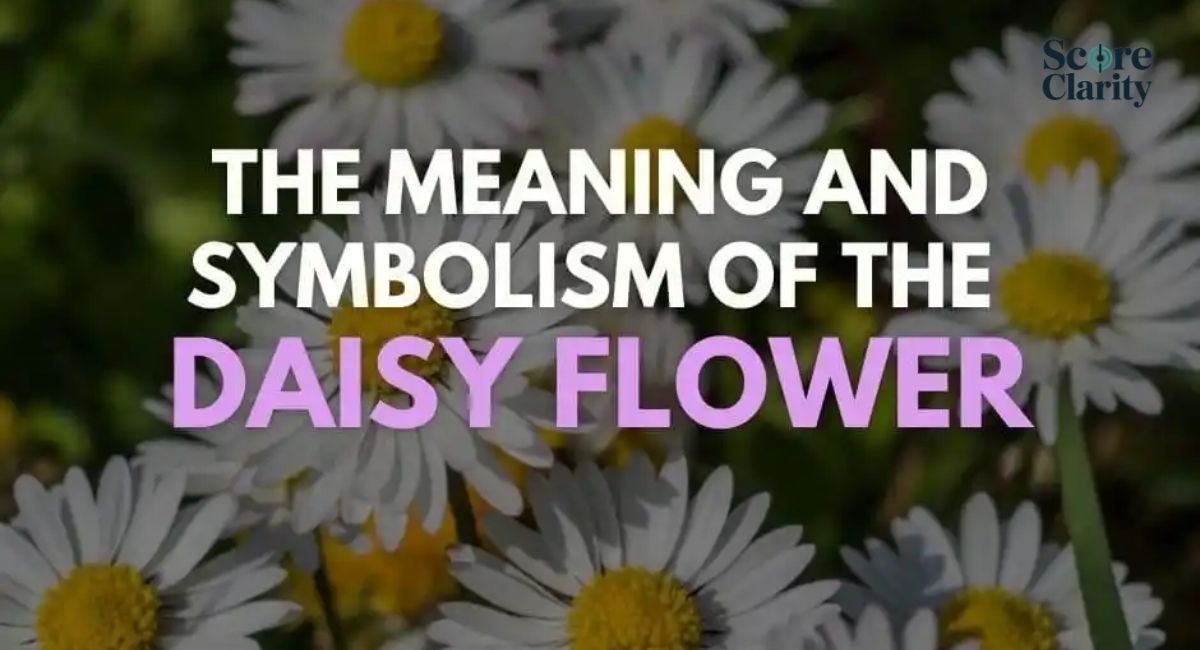
The meaning of a daisy can change depending on its color. Every color carries a special message. Some colors express love, while others symbolize friendship, hope, or happiness. This is why daisies are popular in bouquets, floral arrangements, and meaningful gifts for many occasions. Understanding the meaning of each color helps you choose the perfect flower for birthdays, weddings, anniversaries, celebrations, or moments of comfort.
The many varieties of daisies also have their own unique beauty and symbolism. Some are famous for their classic white petals, while others bloom in bright shades of red, pink, orange, or purple. Although they belong to the same flower family, each variety has its own history, appearance, and cultural importance.
White Daisy Meaning
The White daisy meaning is closely connected with innocence, purity, honesty, peace, and new beginnings. White daisies are the most traditional type of daisy and are often the first flower people imagine when they hear the word “daisy.” Their clean white petals surrounding a golden center create a simple yet beautiful appearance. This natural beauty has made them one of the strongest symbols of floral symbolism around the world.
White daisies are often chosen for weddings because they represent true love, loyal love, trust, and faithfulness. They also appear in baby showers to celebrate motherhood and childhood. Many people include them in sympathy flowers because they offer comfort, hope, and peaceful memories. Their gentle appearance reminds people that beauty often comes from simplicity.
| White Daisy Symbolism | Meaning |
| Innocence | A pure and honest heart |
| Purity | Clean intentions and sincerity |
| New Beginnings | Fresh opportunities and hope |
| Peace | Calmness and emotional balance |
| Faithfulness | Lasting commitment and trust |
Yellow Daisy Meaning
The Yellow daisy meaning represents happiness, joy, optimism, friendship, and positive energy. Yellow is naturally associated with sunshine, making these daisies perfect symbols of cheerful moments. Their bright petals instantly make gardens and bouquets feel warm and welcoming.
Yellow daisies are wonderful gifts for close friends because they celebrate strong friendships without romantic meaning. They are also given to encourage someone during difficult times. Their vibrant color reminds people to remain hopeful and believe that brighter days are ahead. This makes yellow daisies excellent flowers for graduations, congratulations, and celebrations of personal success.
| Yellow Daisy Symbolism | Meaning |
| Happiness | Positive emotions |
| Joy | Celebrating life |
| Friendship | Loyal companions |
| Optimism | Looking forward with confidence |
| Hope | Better days ahead |
Pink Daisy Meaning
The Pink daisy meaning symbolizes gentle love, admiration, kindness, gratitude, and affection. Pink daisies have a soft appearance that expresses warm emotions without being overly dramatic. They are often chosen when someone wants to show appreciation or thankfulness.
Pink daisies are popular in romantic bouquets because they represent growing relationships and caring emotions. They also celebrate friendship and family love. Their elegant appearance makes them suitable for birthdays, Mother’s Day, baby showers, and anniversary flowers. Pink daisies remind us that love can be gentle, patient, and full of kindness.
| Pink Daisy Symbolism | Meaning |
| Affection | Warm feelings |
| Admiration | Respect and appreciation |
| Gratitude | Thankfulness |
| Gentle Love | Caring relationships |
| Kindness | Compassion and support |
Orange Daisy Meaning
The Orange daisy meaning reflects enthusiasm, confidence, excitement, creativity, and success. Orange combines the warmth of yellow with the passion of red, creating a flower full of energy and motivation. These daisies naturally attract attention because of their rich and lively color.
Orange daisies are excellent gifts for someone beginning a new career, starting a business, or celebrating a major achievement. They symbolize courage to face challenges and confidence to move forward. Their bright appearance also makes them popular in modern floral arrangements that celebrate joyful occasions.
| Orange Daisy Symbolism | Meaning |
| Enthusiasm | Excitement for life |
| Confidence | Self-belief |
| Success | Achievement |
| Creativity | New ideas |
| Motivation | Personal growth |
Blue Daisy Meaning
The Blue daisy meaning is associated with trust, peace, wisdom, calmness, and emotional healing. Blue daisies are less common than white or yellow varieties, making them feel even more unique and meaningful. Their cool color creates a sense of relaxation and balance.
People often choose blue daisies for someone going through a difficult period. They symbolize emotional support and inner strength. Blue flowers also remind us to stay calm while facing life’s challenges. Their peaceful appearance makes them popular in sympathy flowers and thoughtful bouquets.
| Blue Daisy Symbolism | Meaning |
| Trust | Reliable relationships |
| Peace | Emotional balance |
| Wisdom | Thoughtful decisions |
| Healing | Recovery and comfort |
| Calmness | Inner peace |
Purple Daisy Meaning
The Purple daisy meaning represents wisdom, dignity, creativity, success, and spiritual growth. Purple has long been connected with royalty and respect. Purple daisies carry a graceful beauty that makes them stand out in gardens and bouquets.
Many people choose purple daisies to celebrate achievements or honor someone they admire. They also express spiritual understanding and personal growth. Their rich color creates elegant floral arrangements for celebrations, ceremonies, and meaningful gifts.
| Purple Daisy Symbolism | Meaning |
| Wisdom | Knowledge and learning |
| Respect | Honor and admiration |
| Creativity | Imagination |
| Spiritual Growth | Personal development |
| Success | Reaching goals |
Red Daisy Meaning
The Red daisy meaning symbolizes true love, passion, courage, romance, and deep emotional commitment. Red flowers have always represented powerful feelings, and red daisies continue this tradition while adding a touch of simplicity and innocence.
Red daisies are popular romantic gifts because they express heartfelt affection without the formal appearance of red roses. They are also chosen to celebrate anniversaries and lasting relationships. Their bold color reminds people that love grows stronger through loyalty, trust, and faithfulness.
| Red Daisy Symbolism | Meaning |
| True Love | Deep affection |
| Passion | Strong emotions |
| Courage | Inner strength |
| Romance | Loving relationships |
| Loyalty | Long-lasting commitment |
Gerbera Daisy Meaning
The Gerbera daisy meaning is strongly connected with happiness, cheerfulness, celebration, and positive energy. Gerbera daisies are famous for their large blooms and brilliant colors. They are one of the most popular flowers used by florists around the world because they instantly brighten any bouquet.
Gerbera daisies are often given to celebrate birthdays, graduations, new jobs, and family milestones. Their colorful appearance represents joy, hope, friendship, and fresh beginnings. Because they bloom in many shades, each color can carry its own additional meaning while still expressing overall happiness and optimism.
| Gerbera Daisy Color | Additional Meaning |
| White | Purity and innocence |
| Yellow | Friendship and joy |
| Pink | Admiration and gratitude |
| Orange | Energy and confidence |
| Red | Love and passion |
| Purple | Success and dignity |
English Daisy
The English daisy is one of the oldest and most recognizable daisy species. It grows naturally across Europe and has become a favorite in gardens around the world. Its small flowers with white petals and yellow centers have inspired poets, artists, and gardeners for centuries.
The English daisy represents childhood, innocence, simplicity, and loyal love. Because it blooms early in spring, many people see it as a sign that winter has ended and brighter days have arrived. It remains one of the most popular garden flowers for borders, lawns, and cottage gardens.
Shasta Daisy
The Shasta daisy is famous for its large white petals and bright golden center. It was developed by plant breeder Luther Burbank by combining several daisy species to create a stronger and more attractive flower. Today, it is one of the best-known perennial daisies.
The Shasta daisy symbolizes hope, purity, faithfulness, and lasting happiness. It blooms throughout summer and attracts honeybees and butterflies, making it valuable for both beautiful gardens and healthy ecosystems. Its long-lasting flowers are also popular in bouquets and floral arrangements.
African Daisy
The African daisy is admired for its bright colors and striking appearance. Native to southern Africa, this flower blooms in shades of orange, purple, yellow, pink, white, and blue. It thrives in sunny weather and adds vibrant color to landscapes.
African daisies symbolize optimism, courage, creativity, and personal growth. Their ability to bloom under warm, sunny conditions reminds people to stay strong through challenges. Gardeners appreciate them as colorful ornamental plants that continue flowering throughout the growing season.
Oxeye Daisy
The Oxeye daisy is a classic wildflower that grows naturally across meadows, roadsides, and open fields. It is known for its simple white petals and bright yellow center. Because it spreads easily, it has become one of the most familiar wild daisies in many countries.
The Oxeye daisy represents freedom, natural beauty, simplicity, and resilience. It survives in many environments and returns year after year as a perennial flower. It also provides nectar and pollen for pollinators, helping support honeybees, butterflies, and other beneficial insects.
Painted Daisy
The Painted daisy is loved for its colorful flowers that bloom in shades of pink, red, white, and purple. Unlike many other daisies, it is also valued for its natural ability to help reduce certain garden pests, making it useful as well as beautiful.
Painted daisies symbolize beauty, protection, creativity, and vitality. Their colorful blooms make them popular choices for flower beds, borders, and decorative landscapes. They also attract pollinators while adding long-lasting color to home gardens.
Comparison of Popular Daisy Varieties
| Daisy Variety | Main Meaning | Common Flower Colors | Best Use |
| English Daisy | Innocence and simplicity | White | Cottage gardens |
| Shasta Daisy | Hope and purity | White | Bouquets and gardens |
| Gerbera Daisy | Happiness and celebration | Many colors | Gifts and floral arrangements |
| African Daisy | Optimism and creativity | Bright mixed colors | Ornamental gardens |
| Oxeye Daisy | Freedom and resilience | White | Wildflower gardens |
| Painted Daisy | Beauty and protection | Red, pink, purple, white | Decorative landscapes |
Case Study: Choosing the Right Daisy for a Meaningful Gift
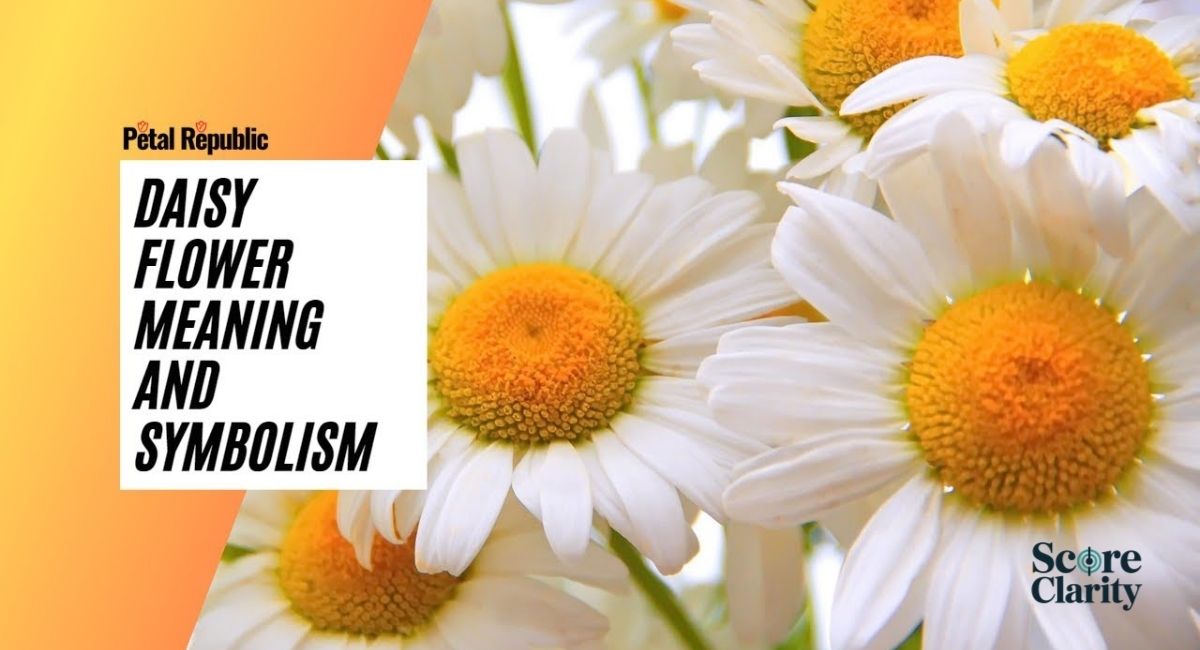
A local florist was asked to create a bouquet for a young woman who had just graduated from university. Instead of using only roses, the florist designed an arrangement featuring yellow Gerbera daisies, white Shasta daisies, and a few pink daisies. The yellow flowers symbolized happiness and optimism, the white flowers represented new beginnings, purity, and hope, while the pink blooms expressed admiration and gratitude. The bouquet was beautiful, affordable, and carried a heartfelt message without using words.
This example shows why daisies remain one of the most meaningful flowers for gifts. By combining different colors and varieties, a single bouquet can express friendship, love, trust, encouragement, and joy, making it suitable for almost any special occasion.
Daisy Spiritual Symbolism, Mythology, Cultural Meaning, and Tattoo Symbolism
Daisies have carried deep spiritual and cultural meanings for centuries. Their simple appearance hides a powerful message about life, growth, love, and renewal. Across different civilizations, people have viewed daisies as symbols of hope, purity, protection, and connection with nature. The flower’s ability to return every spring has made it a reminder of new beginnings, fresh starts, and the endless cycle of life.
The spiritual meaning of daisies is often connected with the idea that happiness can be found in simple things. Their bright centers and open petals represent light, honesty, and a positive outlook. Many people see daisies as flowers that encourage emotional healing, faith, and trust in the future.
Daisy Spiritual Symbolism
Daisy spiritual symbolism is strongly connected with purity, innocence, hope, faith, happiness, and inner peace. Many spiritual traditions view flowers as messages from nature, and daisies are often considered symbols of positive energy. Their white petals represent a clear mind and pure intentions, while their golden center represents warmth, light, and spiritual awareness.
Daisies also symbolize personal growth and transformation. Because they bloom again after cold seasons, they remind people that difficult periods can lead to new opportunities. This connection with renewal makes daisies meaningful during times of change, healing, and personal development.
| Spiritual Meaning | Daisy Symbolism |
| Purity | Clean heart and honest intentions |
| Innocence | Childlike happiness and wonder |
| Hope | Belief in better days |
| Faith | Trust in life’s journey |
| Renewal | New beginnings and transformation |
| Happiness | Joy from simple moments |
| Balance | Peace between emotions and thoughts |
Daisy Spiritual Meaning in Different Beliefs
Many cultures have used flowers as symbols of spiritual ideas. The daisy’s simple shape and seasonal return have allowed it to become connected with themes like rebirth, protection, and divine beauty.
In spiritual practices, daisies are sometimes used during meditation or placed in sacred spaces because their appearance creates feelings of calmness and positivity. While meanings differ between traditions, the common message remains the same: daisies represent light, hope, and the beauty of life.
Celtic Daisy Symbolism
Celtic daisy symbolism has a strong connection with innocence, protection, motherhood, and the natural world. Ancient Celtic cultures respected plants and flowers because they believed nature carried spiritual messages. Daisies were admired because they grew freely in fields and returned every year, representing strength and renewal.
In Celtic traditions, daisies were sometimes associated with children and young mothers. Their connection with motherhood, fertility, and childhood came from the flower’s gentle appearance and association with new life. A field filled with daisies was seen as a sign of a healthy and flourishing landscape.
The Celtic view of daisies also connects with beauty and simplicity. Unlike rare or expensive flowers, daisies grew naturally and reminded people that true beauty does not need to be complicated.
| Celtic Daisy Symbolism | Meaning |
| Childhood | Innocence and happiness |
| Motherhood | Care and protection |
| Fertility | Growth and new life |
| Nature | Connection with the earth |
| Renewal | The return of spring |
Norse Mythology Daisy Meaning
The Norse mythology daisy connection is linked to the goddess Freyja, who was associated with love, beauty, fertility, and nature. Although detailed historical records about daisies in Norse mythology are limited, flowers connected with spring and fertility often held symbolic importance in Norse culture.
Daisies fit naturally with these themes because they bloom during the season of renewal. Their appearance after winter represented the return of life and the power of nature. The flower became associated with ideas of love, fertility, growth, and feminine energy.
The connection between daisies and fertility also explains why flowers have long been linked with family, motherhood, and new beginnings. In symbolic traditions, daisies represent the joy of creation and the beauty of life’s natural cycles.
Greek Mythology Flowers and Daisy Legends
Greek mythology flowers often carried stories about gods, emotions, and human experiences. Many flowers in Greek myths represented transformation, love, beauty, or remembrance. While the daisy does not have one major surviving Greek myth like some famous flowers, it shares symbolic connections with themes found throughout Greek flower stories.
Ancient Greeks admired nature and often connected flowers with divine qualities. The daisy’s association with innocence, beauty, and renewal fits with the Greek appreciation of harmony and balance. Flowers were seen as gifts from the gods and reminders of the relationship between humans and nature.
Daisies also connect with the Greek idea of beauty through simplicity. Unlike flowers valued only for rarity, daisies represent natural charm and everyday happiness.
| Greek Flower Symbolism | Connection to Daisies |
| Beauty | Natural appearance |
| Renewal | Spring blooming |
| Love | Emotional connection |
| Nature | Harmony with the earth |
| Celebration | Joy and happiness |
Daisy in Christianity
The Daisy in Christianity is often associated with purity, innocence, humility, and the beauty of creation. White flowers have traditionally represented spiritual cleanliness and devotion in Christian symbolism. Because daisies have bright white petals, many people connect them with peaceful and faithful qualities.
In Christian flower symbolism, daisies may represent the innocence of children and the importance of maintaining a pure heart. Their simple appearance reflects humility, reminding believers that beauty can exist without pride or complexity.
Daisies are sometimes used in religious decorations, Easter arrangements, and spring celebrations because they represent renewal and the promise of new life. Their connection with spring makes them a natural symbol of resurrection, hope, and spiritual renewal.
| Christian Daisy Meaning | Symbol |
| White Petals | Purity and innocence |
| Spring Bloom | Renewal and new life |
| Simple Shape | Humility |
| Bright Center | Divine light |
| Fresh Growth | Hope and faith |
Victorian Floriography and Daisy Flower Language
During the Victorian era, flowers became a secret way to communicate emotions. This practice was called Victorian floriography, or the language of flowers. People used specific flowers to express feelings that could not always be spoken openly.
In flower language, daisies represented innocence, loyal love, friendship, and sincerity. Giving someone daisies was a way to express honest emotions and admiration. The flower became especially popular because it carried positive meanings without being overly formal.
Victorians carefully selected flowers for bouquets because every plant had a message. A floral arrangement containing daisies could communicate kindness, affection, and respect. Today, modern florists continue this tradition by creating bouquets based on flower symbolism.
| Flower Language Message | Daisy Meaning |
| Love | True and loyal love |
| Friendship | Strong connection |
| Respect | Appreciation |
| Hope | Positive future |
| Innocence | Pure intentions |
Daisy Tattoo Meaning
The Daisy tattoo meaning is connected with happiness, freedom, innocence, new beginnings, hope, and personal growth. Many people choose daisy tattoos because the flower represents positive memories and meaningful life experiences.
A daisy tattoo can have different meanings depending on the person. Some choose it to remember childhood, family, or a loved one. Others select it as a symbol of overcoming challenges and starting a new chapter in life.
The simple design of a daisy also makes it popular among people who prefer minimalist tattoos. A small daisy can represent beauty, confidence, and the idea that even simple things can have powerful meaning.
| Daisy Tattoo Style | Meaning |
| White Daisy Tattoo | Purity and innocence |
| Yellow Daisy Tattoo | Happiness and friendship |
| Pink Daisy Tattoo | Love and kindness |
| Colorful Daisy Tattoo | Joy and creativity |
| Daisy With Butterfly | Transformation and freedom |
| Daisy With Name | Memory and connection |
Daisy Flower Gifts and Their Emotional Meaning
Daisy flower gifts are popular because they express sincere emotions. Unlike some flowers that are strongly connected with romance, daisies can communicate many different feelings. They are suitable for friends, family members, partners, and people who need encouragement.
A bouquet of daisies can represent friendship, congratulations, love, sympathy, or support. The meaning becomes even stronger when the color is chosen carefully. For example, white daisies can express purity and new beginnings, while yellow daisies can celebrate happiness and friendship.
Daisies are commonly used in:
| Occasion | Daisy Meaning |
| Wedding Flowers | Faithfulness and true love |
| Anniversary Flowers | Loyal love and lasting connection |
| Sympathy Flowers | Peace and comfort |
| Birthday Bouquets | Happiness and joy |
| Graduation Gifts | New beginnings and success |
| Friendship Gifts | Trust and loyalty |
Daisy as Wedding Flowers and Floral Arrangements
Daisies have become popular wedding flowers because they create a feeling of freshness and natural beauty. They work well in rustic weddings, outdoor ceremonies, spring celebrations, and simple elegant designs. Their meaning of loyalty, purity, and true love makes them especially suitable for couples beginning their journey together.
A daisy floral arrangement can include other flowers such as roses, lilies, baby’s breath, or greenery. The simple shape of daisies allows them to complement many styles. They can create romantic bouquets while still maintaining a relaxed and cheerful appearance.
Many couples choose daisies because they represent love that is honest, joyful, and lasting. They remind people that strong relationships are built on friendship, trust, and faithfulness.
April Birth Flower Meaning: Why Daisy Represents April
The April birth flower meaning is deeply connected with the daisy. In many traditions, the daisy is recognized as one of the important April birth flowers because it blooms during the season when nature begins to awaken after winter. Spring represents renewal, growth, and fresh energy, which perfectly matches the symbolism of daisies.
As an April birth flower, the daisy represents innocence, purity, happiness, hope, true love, loyalty, friendship, and new beginnings. People born in April are often associated with the cheerful and positive qualities of this flower. Giving daisies to an April-born person is a thoughtful way to celebrate their personality and remind them of their natural beauty.
The connection between April and daisies comes from the flower’s ability to grow strongly in spring gardens and open fields. When colder months end, daisies appear as a sign that warmer and brighter days are coming. This makes them a powerful symbol of a fresh start and the endless cycle of life.
| April Birth Flower Symbol | Meaning |
| Innocence | Honest and pure nature |
| Hope | Looking toward a brighter future |
| Happiness | Positive energy and joy |
| Friendship | Strong relationships |
| True Love | Deep emotional connection |
| New Beginnings | Starting a new journey |
| Simplicity | Finding beauty in everyday life |
Daisy Flower Meaning in Birth Flowers and Celebrations
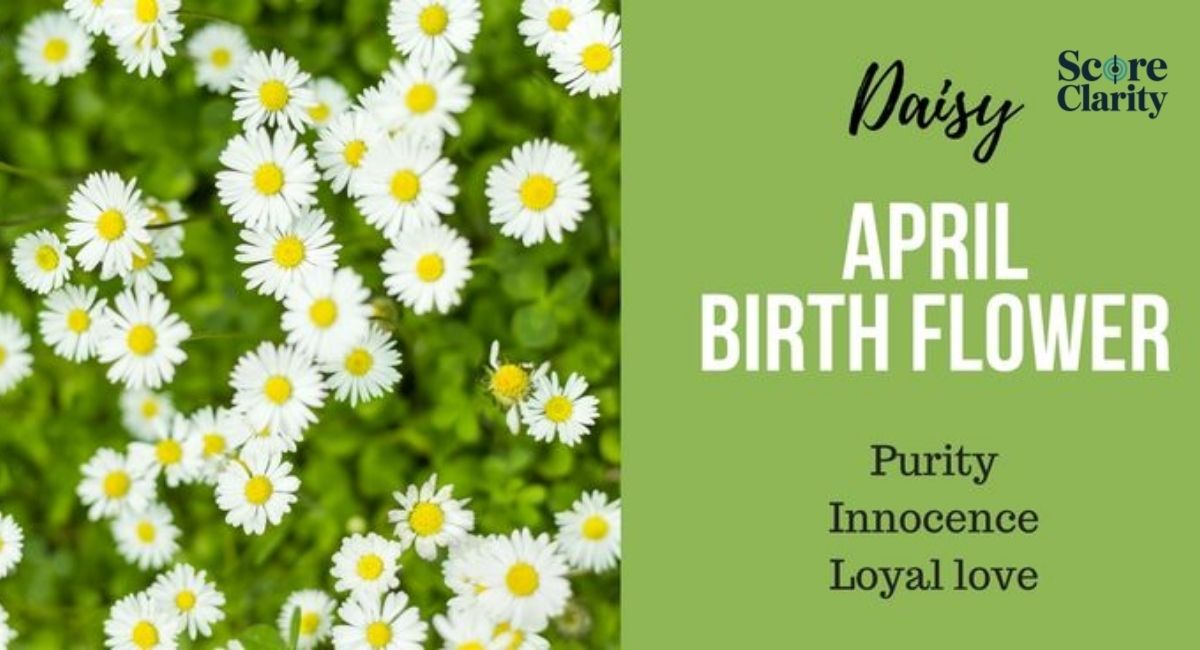
Birth flowers are similar to birthstones because each month has flowers connected with special meanings. The daisy, as an April birth flower, carries messages of optimism and happiness. It is often chosen as a gift because it represents positive qualities that people want to celebrate.
A daisy bouquet for an April birthday can express appreciation, love, and encouragement. Unlike flowers with only romantic meanings, daisies work well for many relationships. They can be gifted to parents, friends, partners, children, or coworkers because their message is universal.
The flower also connects with childhood memories. Many people remember making daisy chains, playing in fields, or seeing wild daisies during spring walks. Because of this, daisies often represent innocence, joyful memories, and the simple happiness of life.
Daisies as Spring Flowers and Wildflowers
Daisies are some of the most recognizable spring flowers in the world. Their arrival signals warmer weather and the return of colorful landscapes. Many species grow naturally as wildflowers, creating beautiful fields that support local ecosystems.
Wild daisies are important because they provide food for insects when many other plants are just beginning to bloom. Their open flower shape allows pollinators to easily access nectar and pollen. This makes daisies valuable plants for gardens that support wildlife.
The natural beauty of wild daisies has inspired artists, poets, and gardeners for generations. Their simple appearance proves that flowers do not need to be rare or expensive to be meaningful.
| Daisy Type | Growing Style | Main Feature |
| English Daisy | Wildflower and garden plant | Small cheerful blooms |
| Oxeye Daisy | Meadow flower | Natural field appearance |
| Shasta Daisy | Garden perennial | Large white flowers |
| African Daisy | Ornamental plant | Bright colorful petals |
| Gerbera Daisy | Decorative flower | Large vibrant blooms |
Daisy Flowers as Garden Flowers and Ornamental Plants
Daisies are popular garden flowers because they are beautiful, adaptable, and easy to grow. Many gardeners choose daisies because they add color while requiring simple care. They can grow in flower beds, borders, containers, and natural landscapes.
As ornamental plants, daisies improve the appearance of gardens while also supporting nature. Their bright flowers attract bees, butterflies, and other helpful insects. This makes them a good choice for people who want gardens that are both attractive and environmentally friendly.
Many daisy varieties are perennial flowers, meaning they return every year. Once established, they can continue producing blooms for many seasons. Their long-lasting nature is another reason they symbolize endurance, loyalty, and hope.
Daisies and Their Importance for Pollinators
Daisies play an important role in supporting pollinators. The open shape of the flower makes it easy for insects to land and collect resources. Honeybees, butterflies, and other insects visit daisies to gather nectar and pollen.
Healthy pollinator populations are essential for ecosystems because they help many plants reproduce. By growing daisies in gardens, people can create small habitats where beneficial insects can find food.
A garden filled with daisies is not only visually beautiful but also helps maintain biodiversity. This connection with nature adds another layer to the meaning of daisies. They represent cooperation, life, and the importance of every living creature.
| Pollinator | How Daisies Help |
| Honeybees | Collect nectar and pollen |
| Butterflies | Feed on flower nectar |
| Hoverflies | Support plant pollination |
| Native Bees | Find seasonal food sources |
Daisy Flower Care and Growing Facts
Growing daisies can be rewarding because these flowers provide beauty with relatively simple care. Most daisy varieties prefer areas with good sunlight and well-drained soil. Regular watering helps young plants establish strong roots, while mature plants often become more drought-resistant.
Gardeners usually remove old flowers to encourage more blooms. This process, called deadheading, helps the plant focus energy on producing new flowers. Many perennial daisies return each year, creating a reliable source of color in gardens.
Daisies also work well with other spring and summer flowers. They combine beautifully with roses, lavender, lilies, and other colorful plants. Their simple shape allows them to fit into both natural gardens and formal landscapes.
| Growing Requirement | Daisy Preference |
| Sunlight | Full sun to partial shade |
| Soil | Well-drained soil |
| Water | Regular but not excessive |
| Bloom Season | Spring and summer |
| Plant Type | Many varieties are perennial |
Daisy Symbolism in Modern Life
Today, the meaning of daisies continues to inspire people around the world. They appear in artwork, clothing designs, home decoration, jewelry, tattoos, and special events. Their popularity comes from their ability to represent positive emotions in a simple way.
Modern floral symbolism often connects daisies with emotional wellness. Many people see them as reminders to appreciate small joys, stay hopeful, and maintain strong relationships. Their message is not about perfection but about finding beauty in everyday moments.
The daisy’s continued popularity shows that simple flowers can have powerful meanings. A small bloom can represent love, friendship, memories, healing, and the courage to begin again.
Daisy Flower Meaning: Complete Symbolism Table
| Daisy Meaning | Symbolic Message |
| Innocence | Pure thoughts and honest feelings |
| Purity | Sincerity and clean intentions |
| True Love | Deep emotional connection |
| Loyal Love | Commitment and faithfulness |
| Friendship | Strong and caring relationships |
| Happiness | Joyful experiences |
| Optimism | Positive thinking |
| Hope | Belief in better days |
| Trust | Reliable bonds |
| New Beginnings | Starting fresh |
| Motherhood | Care and protection |
| Fertility | Growth and creation |
| Childhood | Innocence and happy memories |
| Beauty | Natural charm |
| Simplicity | Appreciating ordinary moments |
FAQ’S
Is daisy a lucky flower?
Yes, daisies are often considered lucky flowers because they symbolize hope, happiness, new beginnings, and positive energy. Many cultures believe daisies bring joy and good fortune.
What is special about daisy flowers?
Daisy flowers are special because they represent innocence, purity, friendship, and simple beauty. They are also important for pollinators like honeybees and butterflies.
What does daisy mean for a girl?
For a girl, a daisy symbolizes innocence, happiness, kindness, beauty, and a cheerful personality. It can also represent confidence, growth, and a fresh start.
What is the meaning of daisy in love?
In love, daisies represent true love, loyal love, trust, and faithfulness. They express a pure and honest connection between two people.
Final Thoughts on Daisy Flower Meaning
The Daisy Flower Meaning goes far beyond its simple appearance. This beautiful flower carries messages of innocence, purity, true love, friendship, happiness, hope, loyalty, and new beginnings. From ancient traditions to modern gardens, daisies have remained symbols of positivity and natural beauty.
The many varieties of daisies, including the English daisy, Shasta daisy, African daisy, Oxeye daisy, Painted daisy, and Gerbera daisy, each bring their own unique charm. Their colors add even more meaning, from the purity of white daisies to the happiness of yellow daisies and the passion of red daisies.
Whether used as wedding flowers, anniversary flowers, sympathy flowers, birthday gifts, tattoos, or garden flowers, daisies continue to connect people with emotions that matter most. Their simple beauty reminds us that happiness, love, and hope can often be found in the smallest things.
A daisy is not just a flower. It is a symbol of life’s most meaningful feelings: love, friendship, faithfulness, optimism, and the courage to begin again.

🚀 SEO Expert | Helping Businesses Rank Higher & Get More Organic Traffic
I’m an SEO Specialist focused on improving Google rankings, increasing organic traffic, and generating quality leads. I provide keyword research, on-page SEO, technical SEO, content optimization, SEO audits, and high-quality link building tailored to your business goals.
If you’re looking to grow your website with proven SEO strategies and long-term results, let’s work together.